Go Law

Go Law

Homepage Download 8606 Form in PDF
Contents

The 8606 form is an important document for taxpayers who have made nondeductible contributions to traditional Individual Retirement Accounts (IRAs) or who have taken distributions from these accounts. This form is essential for reporting contributions that do not qualify for a tax deduction, allowing individuals to track their basis in traditional IRAs. It is also used when converting traditional, SEP, or SIMPLE IRAs to Roth IRAs, ensuring that taxpayers accurately report the taxable and nontaxable portions of their conversions. Additionally, the 8606 form plays a crucial role in documenting distributions from Roth IRAs, helping to determine any taxable amounts. Taxpayers must attach this form to their annual tax returns, such as Form 1040, 1040-SR, or 1040-NR. If married, each spouse must file a separate 8606 form if required. Completing the 8606 form accurately is vital to avoid potential tax penalties and to ensure compliance with IRS regulations.
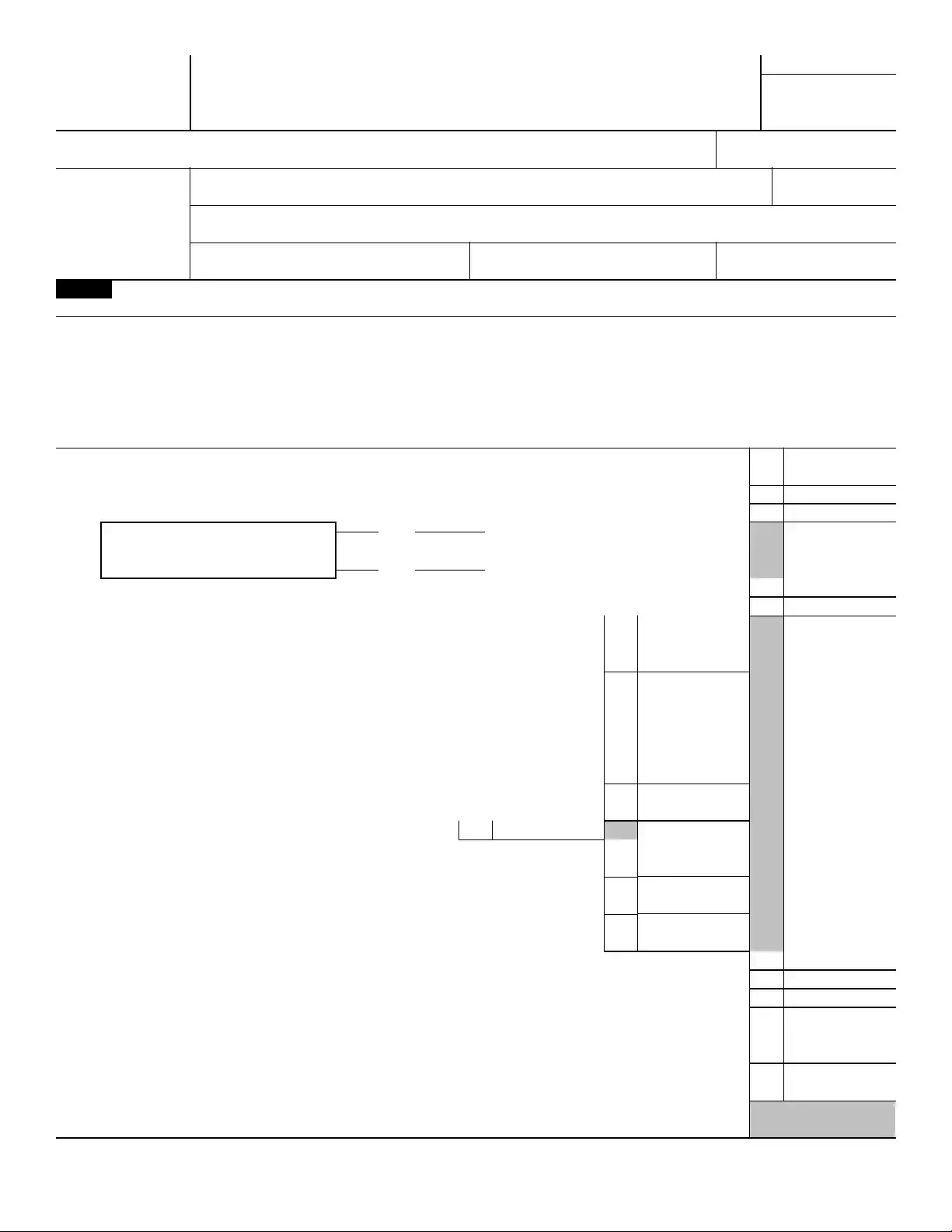
Preview - 8606 Form

Form 8606
Department of the Treasury
Internal Revenue Service
Nondeductible IRAs
Go to www.irs.gov/Form8606 for instructions and the latest information.
Attach to 2022 Form 1040, 1040-SR, or 1040-NR.
OMB No. 1545-0074
2022
Attachment
Sequence No.
48
Name. If married, file a separate form for each spouse required to file 2022 Form 8606. See instructions. Your social security number
Fill in Your Address
Only if You Are
Filing This Form by
Itself and Not With
Your Tax Return
Home address (number and street, or P.O. box if mail is not delivered to your home) Apt. no.
City, town or post office, state, and ZIP code. If you have a foreign address, also complete the spaces below (see instructions).
Foreign country name Foreign province/state/county Foreign postal code
Part I
Nondeductible Contributions to Traditional IRAs and Distributions From Traditional, SEP, and SIMPLE IRAs
Complete this part only if one or more of the following apply.
• You made nondeductible contributions to a traditional IRA for 2022.
• You took distributions from a traditional, SEP, or SIMPLE IRA in 2022 and you made nondeductible contributions to a
traditional IRA in 2022 or an earlier year. For this purpose, a distribution does not include a rollover (other than a
repayment of a qualified disaster distribution, if any, from 2022 Form(s) 8915-F (see instructions)), qualified charitable
distribution, one-time distribution to fund an HSA, conversion, recharacterization, or return of certain contributions.
• You converted part, but not all, of your traditional, SEP, and SIMPLE IRAs to Roth IRAs in 2022 and you made
nondeductible contributions to a traditional IRA in 2022 or an earlier year.
1 Enter your nondeductible contributions to traditional IRAs for 2022, including those made for 2022
from January 1, 2023, through April 18, 2023. See instructions . . . . . . . . . . . . .
1
2 Enter your total basis in traditional IRAs. See instructions . . . . . . . . . . . . . . .
2
3 Add lines 1 and 2 . . . . . . . . . . . . . . . . . . . . . . . . . . . . 3
In 2022, did you take a distribution
from traditional, SEP, or SIMPLE IRAs,
or make a Roth IRA conversion?
No
Enter the amount from line 3 on line 14.
Do not complete the rest of Part I.
Yes Go to line 4.
4
Enter those contributions included on line 1 that were made from January 1, 2023, through April 18, 2023
4
5 Subtract line 4 from line 3 . . . . . . . . . . . . . . . . . . . . . . . . . 5
6
Enter the value of all your traditional, SEP, and SIMPLE IRAs as of December 31,
2022, plus any outstanding rollovers. Subtract certain repayments of qualified
disaster distributions, if any, from 2022 Form(s) 8915-F (see instructions)
. . 6
7
Enter your distributions from traditional, SEP, and SIMPLE IRAs in 2022. Do
not include rollovers (other than repayments of qualified disaster distributions,
if any, from 2022 Form(s) 8915-F (see instructions)), qualified charitable
distributions, a one-time distribution to fund an HSA, conversions to a Roth
IRA, certain returned contributions, or recharacterizations of traditional IRA
contributions (see instructions) . . . . . . . . . . . . . . . .
7
8
Enter the net amount you converted from traditional, SEP, and SIMPLE IRAs to
Roth IRAs in 2022. Also, enter this amount on line 16 . . . . . . . . .
8
9 Add lines 6, 7, and 8 . . . . . . . . . . . . 9
10 Divide line 5 by line 9. Enter the result as a decimal rounded to at least 3
places. If the result is 1.000 or more, enter “1.000” . . . . . . . . .
10
×
.
11 Multiply line 8 by line 10. This is the nontaxable portion of the amount you
converted to Roth IRAs. Also, enter this amount on line 17 . . . . . . .
11
12 Multiply line 7 by line 10. This is the nontaxable portion of your distributions
that you did not convert to a Roth IRA . . . . . . . . . . . . .
12
13 Add lines 11 and 12. This is the nontaxable portion of all your distributions . . . . . . . . . 13
14 Subtract line 13 from line 3. This is your total basis in traditional IRAs for 2022 and earlier years . 14
15 a Subtract line 12 from line 7 . . . . . . . . . . . . . . . . . . . . . . . . . 15a
b
Enter the amount on line 15a attributable to qualified disaster distributions, if any, from 2022 Form(s)
8915-F (see instructions). Also, enter this amount on 2022 Form(s) 8915-F, line 18, as applicable (see
instructions) . . . . . . . . . . . . . . . . . . . . . . . . . . . . . .
15b
c Taxable amount. Subtract line 15b from line 15a. If more than zero, also include this amount on 2022
Form 1040, 1040-SR, or 1040-NR, line 4b . . . . . . . . . . . . . . . . . . . .
15c
Note: You may be subject to an additional 10% tax on the amount on line 15c if you were under age
59½ at the time of the distribution. See instructions.
For Privacy Act and Paperwork Reduction Act Notice, see separate instructions.
Cat. No. 63966F
Form 8606 (2022)
Form 8606 (2022)
Page 2
Part II 2022 Conversions From Traditional, SEP, or SIMPLE IRAs to Roth IRAs
Complete this part if you converted part or all of your traditional, SEP, and SIMPLE IRAs to a Roth IRA in 2022.
16 If you completed Part I, enter the amount from line 8. Otherwise, enter the net amount you converted
from traditional, SEP, and SIMPLE IRAs to Roth IRAs in 2022 . . . . . . . . . . . . .
16
17 If you completed Part I, enter the amount from line 11. Otherwise, enter your basis in the amount on
line 16 (see instructions) . . . . . . . . . . . . . . . . . . . . . . . . . .
17
18 Taxable amount. Subtract line 17 from line 16. If more than zero, also include this amount on 2022
Form 1040, 1040-SR, or 1040-NR, line 4b . . . . . . . . . . . . . . . . . . . .
18
Part III Distributions From Roth IRAs
Complete this part only if you took a distribution from a Roth IRA in 2022. For this purpose, a distribution does not include
a rollover (other than a repayment of a qualified disaster distribution (from 2022 Form(s) 8915-F (see instructions)),
qualified charitable distribution, one-time distribution to fund an HSA, recharacterization, or return of certain contributions
(see instructions).
19
Enter your total nonqualified distributions from Roth IRAs in 2022, including any qualified first-time
homebuyer distributions, and any qualified disaster distributions from 2022 Form(s) 8915-F (see
instructions) . . . . . . . . . . . . . . . . . . . . . . . . . . . . . .
19
20 Qualified first-time homebuyer expenses (see instructions). Do not enter more than $10,000 reduced
by the total of all your prior qualified first-time homebuyer distributions . . . . . . . . . .
20
21 Subtract line 20 from line 19. If zero or less, enter -0- . . . . . . . . . . . . . . . . 21
22 Enter your basis in Roth IRA contributions (see instructions). If line 21 is zero, stop here . . . . . 22
23 Subtract line 22 from line 21. If zero or less, enter -0- and skip lines 24 and 25. If more than zero, you
may be subject to an additional tax (see instructions) . . . . . . . . . . . . . . . .
23
24 Enter your basis in conversions from traditional, SEP, and SIMPLE IRAs and rollovers from qualified
retirement plans to a Roth IRA. See instructions . . . . . . . . . . . . . . . . . .
24
25 a Subtract line 24 from line 23. If zero or less, enter -0- and skip lines 25b and 25c . . . . . . . 25a
b
Enter the amount on line 25a attributable to qualified disaster distributions, if any, from 2022 Form(s)
8915-F (see instructions). Also, enter this amount on 2022 Form(s) 8915-F, line 19, as applicable (see
instructions) . . . . . . . . . . . . . . . . . . . . . . . . . . . . . .
25b
c Taxable amount. Subtract line 25b from line 25a. If more than zero, also include this amount on 2022
Form 1040, 1040-SR, or 1040-NR, line 4b . . . . . . . . . . . . . . . . . . . .
25c
Sign Here Only if You
Are Filing This Form
by Itself and Not With
Your Tax Return
Under penalties of perjury, I declare that I have examined this form, including accompanying attachments, and to the best of my knowledge and
belief, it is true, correct, and complete. Declaration of preparer (other than taxpayer) is based on all information of which preparer has any knowledge.
Your signature Date
Paid
Preparer
Use Only
Print/Type preparer’s name
Preparer’s signature
Date
Check if
self-employed
PTIN
Firm’s name
Firm’s address
Firm’s EIN
Phone no.
Form 8606 (2022)

Document Specifics

Fact Name Description
Purpose Form 8606 is used to report nondeductible contributions to traditional IRAs and distributions from traditional, SEP, and SIMPLE IRAs.
Filing Requirement This form must be attached to your 2022 Form 1040, 1040-SR, or 1040-NR when filing your federal tax return.
Multiple Filings If married and both spouses have nondeductible contributions, each must file a separate Form 8606.
Conversions Form 8606 must be completed if you converted any traditional, SEP, or SIMPLE IRAs to Roth IRAs during the tax year.
Tax Implications Distributions from IRAs may be subject to taxes, particularly if they include amounts from conversions or nondeductible contributions.
State-Specific Forms Some states may require additional forms or information regarding IRA contributions and distributions. Refer to state tax regulations for details.
Filing Deadline The deadline for filing Form 8606 is the same as your federal tax return, typically April 15 of the following year.
Privacy Notice The form includes a Privacy Act and Paperwork Reduction Act Notice, ensuring that taxpayers are informed about data use and collection.
Resources For instructions and the latest information on Form 8606, visit the IRS website at www.irs.gov/Form8606.

8606: Usage Instruction

Filling out Form 8606 is a necessary step for individuals who made nondeductible contributions to traditional IRAs or took distributions from traditional, SEP, or SIMPLE IRAs. Completing this form accurately ensures that the tax implications of these actions are properly recorded on your tax return.

  1. Obtain Form 8606 from the IRS website or your tax software.
  2. Fill in your name and social security number at the top of the form.
  3. Provide your address, including city, state, and ZIP code. If applicable, include your foreign address.
  4. Complete Part I if you made nondeductible contributions or took distributions from your IRAs in 2022.
  5. On line 1, enter your nondeductible contributions to traditional IRAs for 2022, including contributions made from January 1, 2023, through April 18, 2023.
  6. On line 2, enter your total basis in traditional IRAs.
  7. Add lines 1 and 2 together and write the result on line 3.
  8. If you did not take any distributions from traditional, SEP, or SIMPLE IRAs, enter the amount from line 3 on line 14 and skip the rest of Part I.
  9. If you took distributions, enter the contributions made from January 1, 2023, through April 18, 2023, on line 4.
  10. Subtract line 4 from line 3 and enter the result on line 5.
  11. On line 6, enter the value of all your traditional, SEP, and SIMPLE IRAs as of December 31, 2022.
  12. On line 7, enter your total distributions from traditional, SEP, and SIMPLE IRAs in 2022.
  13. On line 8, enter the net amount converted from traditional, SEP, and SIMPLE IRAs to Roth IRAs in 2022.
  14. Add lines 6, 7, and 8 together and write the result on line 9.
  15. Divide line 5 by line 9 and enter the result on line 10, rounding to at least three decimal places.
  16. Multiply line 8 by line 10 and enter this amount on line 11.
  17. Multiply line 7 by line 10 and enter this amount on line 12.
  18. Add lines 11 and 12 together and write the result on line 13.
  19. Subtract line 13 from line 3 and enter the result on line 14.
  20. Complete the remaining lines in Part I as applicable, particularly lines 15a, 15b, and 15c.
  21. Proceed to Part II if you converted any traditional, SEP, or SIMPLE IRAs to Roth IRAs in 2022.
  22. Enter the relevant amounts on lines 16, 17, and 18 in Part II.
  23. Complete Part III if you took distributions from Roth IRAs in 2022, filling in lines 19 through 25c as applicable.
  24. Sign and date the form at the bottom, confirming the information is accurate.
  25. Attach Form 8606 to your 2022 Form 1040, 1040-SR, or 1040-NR when submitting your tax return.

Learn More on 8606

What is Form 8606?

Form 8606 is used to report nondeductible contributions to traditional IRAs, as well as distributions from traditional, SEP, and SIMPLE IRAs. It also tracks conversions from these accounts to Roth IRAs. This form helps ensure that you are not taxed again on contributions that you have already paid taxes on.

Who needs to file Form 8606?

You must file Form 8606 if you:

  • Made nondeductible contributions to a traditional IRA during the tax year.
  • Took distributions from traditional, SEP, or SIMPLE IRAs and made nondeductible contributions in the current or previous years.
  • Converted any part of your traditional, SEP, or SIMPLE IRAs to Roth IRAs.

When is Form 8606 due?

Form 8606 is due on the same date as your federal income tax return. For most taxpayers, this means it must be filed by April 15 of the following year. If you file for an extension, be sure to file Form 8606 by the extended deadline as well.

Can I file Form 8606 by itself?

Yes, you can file Form 8606 by itself if you are not filing a full tax return. However, it must be attached to your Form 1040, 1040-SR, or 1040-NR if you are submitting those forms. Make sure to follow the instructions provided by the IRS.

What information do I need to complete Form 8606?

To complete Form 8606, you will need:

  • Your total nondeductible contributions to traditional IRAs for the tax year.
  • Your total basis in traditional IRAs.
  • The value of all your traditional, SEP, and SIMPLE IRAs as of December 31 of the tax year.
  • The amount of any distributions taken from these accounts during the year.

What happens if I don’t file Form 8606?

Failing to file Form 8606 when required can lead to significant tax consequences. You may be taxed on distributions that should have been tax-free, and the IRS may impose penalties. It’s important to file this form to accurately report your contributions and distributions.

How do I determine my basis in traditional IRAs?

Your basis in traditional IRAs is the total amount of nondeductible contributions you have made over the years. This amount is crucial for determining the taxability of your distributions. Keep careful records of your contributions to ensure accurate reporting.

What is the difference between a Roth IRA and a traditional IRA?

The primary difference lies in how they are taxed. Contributions to a traditional IRA may be tax-deductible, but distributions are generally taxed as income. In contrast, contributions to a Roth IRA are made with after-tax dollars, meaning qualified distributions are tax-free. Form 8606 helps track these differences.

Can I amend my tax return if I realize I forgot to file Form 8606?

Yes, you can amend your tax return to include Form 8606 if you realize you forgot to file it. Use Form 1040-X to amend your return and attach the completed Form 8606. It’s advisable to do this as soon as you discover the oversight to avoid penalties.

Common mistakes

Filling out Form 8606 can be a straightforward task, but many people make common mistakes that can lead to issues later. One frequent error is failing to include all required information. Each section of the form must be completed accurately, including your name, Social Security number, and address. Missing this information can delay processing or lead to rejection.

Another mistake is not filing separate forms for each spouse when married and filing separately. Each spouse must submit their own Form 8606. Ignoring this requirement can cause complications with your tax return.

Many individuals also forget to report nondeductible contributions made for the current tax year. It's essential to include contributions made from January 1, 2023, through April 18, 2023, on line 4. Missing this step can affect your total basis calculation.

Some filers mistakenly skip Part II, which deals with conversions from Traditional IRAs to Roth IRAs. If you converted any amount in 2022, you must complete this section. Failing to do so can result in incorrect tax calculations.

Another common oversight is not calculating the taxable amount correctly. Ensure that you subtract the basis from the total amount converted. If this step is overlooked, you may end up reporting incorrect figures on your tax return.

People often miscalculate their total basis in Traditional IRAs. This figure is crucial for determining the nontaxable portion of distributions. Double-check your math to avoid errors that could lead to tax penalties.

It's also important to remember that distributions from Roth IRAs must be reported accurately. Many filers fail to include all nonqualified distributions, which can lead to unexpected tax liabilities.

Another mistake is neglecting to sign the form. Your signature is a declaration that the information provided is correct. Without it, the IRS may consider the form incomplete.

Lastly, failing to attach Form 8606 to your tax return can lead to issues. Always ensure it is included when submitting your 2022 Form 1040, 1040-SR, or 1040-NR. Missing this attachment can result in processing delays or even audits.

Documents used along the form

Form 8606 is essential for reporting nondeductible contributions to traditional IRAs and distributions from various types of IRAs. Alongside this form, several other documents are commonly required to ensure accurate reporting and compliance with tax regulations. Here are four forms that are often used in conjunction with Form 8606:

  • Form 1040: This is the standard individual income tax return form used by U.S. taxpayers. It summarizes your income, deductions, and tax liability. You will attach Form 8606 to your Form 1040 to report nondeductible IRA contributions and any taxable distributions.
  • Form 1040-SR: Designed for seniors, this form is similar to Form 1040 but features a larger font and a simpler layout. It can also be used to report income and attach Form 8606 for nondeductible IRA contributions.
  • Form 8915-F: This form is used to report qualified disaster distributions and repayments. If you took a distribution due to a qualified disaster, this form will help you determine the tax implications and any exceptions that may apply.
  • Form W-2: Employers use this form to report wages and taxes withheld from employees. It is essential for accurately reporting income on your Form 1040 and ensuring that any IRA contributions are correctly accounted for.

These forms work together to provide a complete picture of your financial situation and ensure compliance with IRS regulations. Understanding each document's role can help streamline the tax filing process and minimize potential issues with the IRS.

Similar forms

Form 1040 serves as the standard individual income tax return for U.S. taxpayers. Like Form 8606, it is used to report income, deductions, and credits to determine tax liability. While Form 8606 specifically addresses nondeductible contributions to IRAs and conversions to Roth IRAs, Form 1040 encompasses all aspects of an individual's tax situation. Both forms require personal information, including name and social security number, and both are submitted to the Internal Revenue Service (IRS) for tax processing. However, Form 1040 is broader in scope, capturing a wider range of financial activities beyond retirement accounts.

Form 1099-R is used to report distributions from retirement plans, including IRAs. Similar to Form 8606, it plays a critical role in documenting the flow of funds from retirement accounts. While Form 8606 focuses on nondeductible contributions and the tax implications of those contributions, Form 1099-R details the amounts distributed and the taxable portion of those distributions. Both forms help taxpayers track their retirement savings and ensure compliance with tax regulations, but they serve different functions in the reporting process.

Form 8880 is the Credit for Qualified Retirement Savings Contributions form. It is similar to Form 8606 in that both forms pertain to retirement savings. Form 8880 allows eligible taxpayers to claim a tax credit for contributions made to certain retirement accounts, while Form 8606 is concerned with nondeductible contributions and conversions. Both forms encourage retirement savings but do so in different ways: one through tax credits and the other through reporting contributions and distributions.

Form 5329 is used to report additional taxes on qualified retirement plans and other tax-favored accounts. This form is similar to Form 8606 in that both deal with retirement accounts and their associated tax implications. While Form 8606 focuses on nondeductible contributions and conversions, Form 5329 addresses situations such as excess contributions and early distributions, which may incur penalties. Both forms are essential for ensuring compliance with IRS regulations regarding retirement accounts.

Form 5498 is an information return that reports contributions to IRAs, including traditional and Roth IRAs. Like Form 8606, it is directly related to retirement accounts and serves to inform the IRS about contributions made during the tax year. While Form 8606 is used by individuals to report their own nondeductible contributions and conversions, Form 5498 is filed by the financial institution managing the IRA. Both forms contribute to the overall understanding of an individual's retirement savings and tax responsibilities.

Form 8606 is also similar to Form 990-T, which is used to report unrelated business income tax (UBIT) for tax-exempt organizations. While the contexts differ—one pertains to individual retirement accounts and the other to tax-exempt entities—both forms require detailed reporting of specific income types and their tax implications. Form 990-T is essential for tax-exempt organizations that engage in business activities, while Form 8606 is crucial for individuals managing nondeductible IRA contributions. Both ensure that the respective parties fulfill their tax obligations accurately.

Dos and Don'ts

When filling out Form 8606, it’s essential to ensure accuracy and compliance with IRS guidelines. Here’s a list of things to do and avoid:

  • Do double-check your personal information, including your name and Social Security number, to ensure they are correct.
  • Do complete the form for each spouse if you are married and filing separately.
  • Do include all relevant contributions and distributions from your traditional IRAs, SEP, and SIMPLE IRAs.
  • Do carefully read the instructions provided on the IRS website to understand the specific requirements for your situation.
  • Don't forget to attach Form 8606 to your Form 1040, 1040-SR, or 1040-NR when filing your tax return.
  • Don't leave any required fields blank; incomplete forms can lead to processing delays or errors.

Misconceptions

Misconception 1: The 8606 form is only for high-income earners.

This is not true. The 8606 form is necessary for anyone who makes nondeductible contributions to a traditional IRA, regardless of income level. It is essential for tracking contributions and distributions accurately.

Misconception 2: You do not need to file Form 8606 if you only made deductible contributions.

While deductible contributions do not require the 8606 form, any nondeductible contributions must be reported. If you have ever made nondeductible contributions, you will need to file this form to maintain accurate records of your IRA basis.

Misconception 3: Filing Form 8606 is optional.

Filing Form 8606 is mandatory if you made nondeductible contributions or took distributions from traditional IRAs. Failing to file can lead to complications with your tax return and potential penalties.

Misconception 4: The 8606 form is only relevant for the current tax year.

This is incorrect. The 8606 form tracks your IRA basis over multiple years. It is important to keep accurate records of all prior contributions and distributions, as they can affect your tax obligations in future years.

Key takeaways

When filling out Form 8606, there are several important points to keep in mind. This form is essential for reporting nondeductible contributions to traditional IRAs and conversions to Roth IRAs. Here are key takeaways:

  • Form 8606 must be attached to your 2022 Form 1040, 1040-SR, or 1040-NR.
  • If you are married and both spouses need to file, each must complete a separate Form 8606.
  • Complete Part I if you made nondeductible contributions to a traditional IRA or took distributions from certain IRAs.
  • Include contributions made for 2022 up until April 18, 2023, in your calculations.
  • Part II is necessary if you converted any traditional, SEP, or SIMPLE IRAs to Roth IRAs during 2022.
  • In Part III, report any distributions taken from Roth IRAs in 2022, noting that rollovers do not count as distributions.
  • It is crucial to accurately calculate your basis in traditional IRAs to determine the nontaxable portion of distributions.
  • Be aware that if you are under age 59½ at the time of distribution, you may face an additional 10% tax on certain amounts.
  • Ensure all entries are correct to avoid potential penalties or issues with the IRS.
  • For the most accurate guidance, refer to the instructions provided on the IRS website or consult a tax professional.

Completing Form 8606 correctly is vital for maintaining accurate records of your retirement accounts. Take the time to review each section thoroughly.