
Go Law
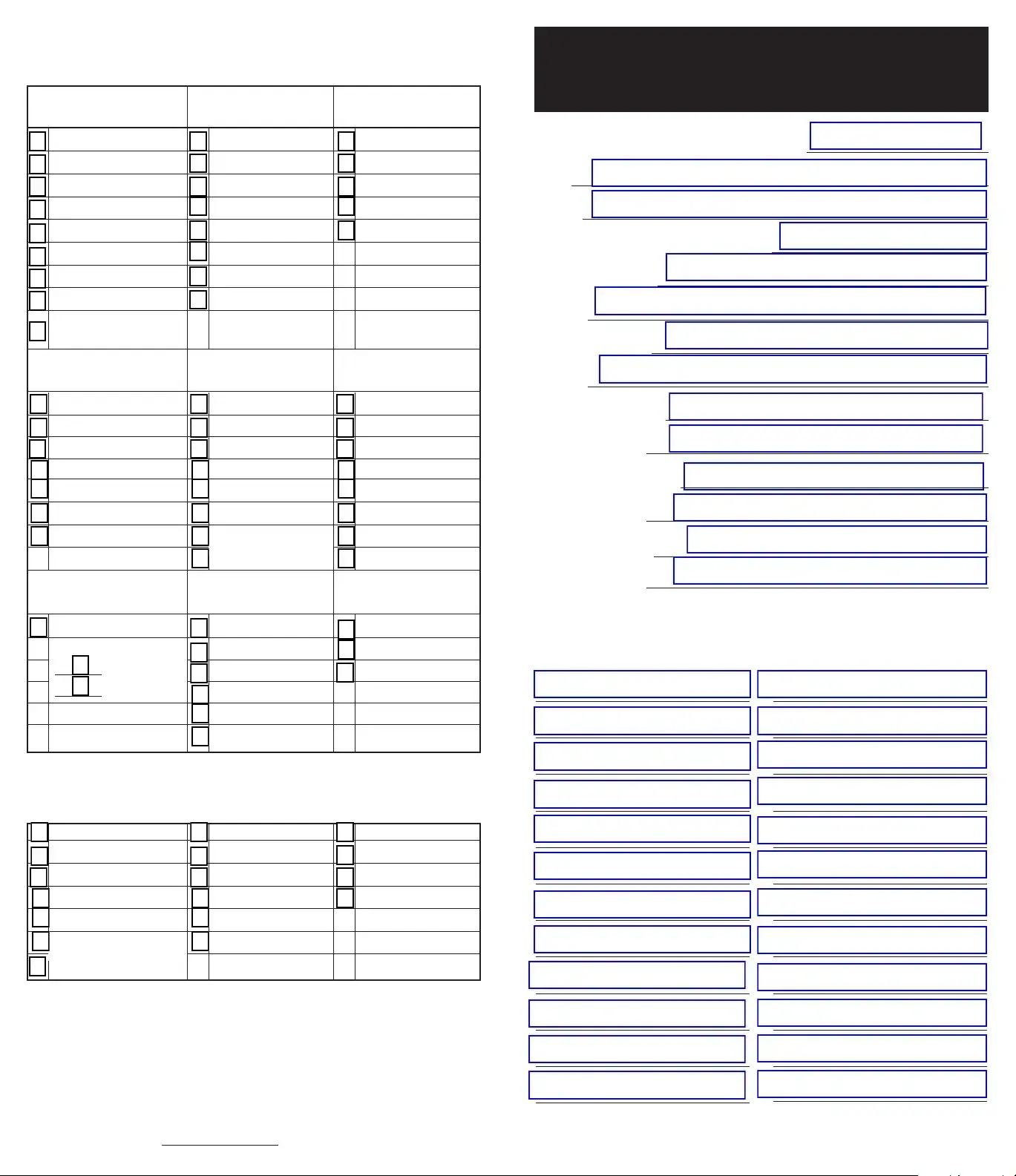
The File of Life form serves as a crucial tool for individuals to communicate vital medical information in emergencies. This form includes a comprehensive list of medications, both prescription and over-the-counter, that a person is currently taking, ensuring that emergency responders have immediate access to necessary treatment information. It prompts users to detail their medical history, including recent surgeries and hospitalizations, as well as any significant medical conditions they may have, such as heart disease or diabetes. Additionally, the form captures essential personal details, including emergency contacts and insurance information, to facilitate swift communication with healthcare providers. To enhance its effectiveness, individuals are encouraged to keep the form in a designated magnetic packet on their refrigerator and to carry a copy in their wallet or purse. Regular updates to the form are advised to reflect any changes in medication or health status, ensuring that it remains an accurate representation of the individual’s medical needs. For those requiring additional copies or assistance, resources are readily available through local healthcare providers.


| Fact Name | Description |
|---|---|
| Purpose | The File of Life form helps emergency responders quickly access important medical information during an emergency. |
| Medication Listing | It includes a section to list all medications, both prescription and over-the-counter, along with their purposes and dosages. |
| Emergency Contacts | Users can provide emergency contact details, ensuring that loved ones can be reached if needed. |
| Location | The completed form should be kept in a magnetic packet on the refrigerator for easy access by emergency personnel. |
| State-Specific Law | In Delaware, the use of the File of Life form is supported by local health initiatives to improve emergency care. |
Completing the File Of Life form is a straightforward process that ensures critical medical information is readily available in case of an emergency. This document will help emergency responders access your health details quickly, which can be vital for your care. Follow the steps below to fill out the form accurately.
Once you have completed the form, it is essential to update it whenever there are changes to your medications or medical history. For additional copies or a new magnetic packet, contact Beebe Medical Center’s Community Relations Department or visit their website.
The File Of Life form is a critical document designed to provide emergency responders with essential medical information about an individual. It includes details about medications, medical conditions, emergency contacts, and insurance information. The form is typically kept in a magnetic packet on the refrigerator, ensuring it is easily accessible in case of an emergency.
Completing the File Of Life form can significantly enhance the quality of care you receive in an emergency. By providing vital information about your medical history, medications, and allergies, you help first responders make informed decisions quickly. This can be especially important if you are unable to communicate due to a medical condition.
It is crucial to update the File Of Life form whenever there are changes in your medication, medical history, or emergency contacts. Regular updates ensure that the information remains accurate and useful during emergencies. A good practice is to review the form every few months or after any significant health changes.
The File Of Life form should be kept in a magnetic packet on your refrigerator. This location is commonly checked by emergency responders. Additionally, it is wise to carry a copy in your wallet or purse, ensuring that you have access to this important information wherever you go.
The File Of Life form includes a variety of critical information, such as:
This comprehensive data allows for a thorough understanding of your health needs during emergencies.
Anyone can benefit from using the File Of Life form, but it is especially valuable for seniors, individuals with chronic health conditions, or those taking multiple medications. Caregivers and family members may also find it helpful to have this information readily available in case of an emergency.
You can obtain a File Of Life form by contacting Beebe Medical Center’s Community Relations Department at 302-645-3468. Additionally, the form can be filled out online at www.beebemed.org . You can also request additional copies or a new magnetic packet through these channels.
If you have allergies, it is essential to list them on the File Of Life form. Be specific about the allergens and describe any reactions you have experienced. This information helps medical professionals avoid prescribing medications that could trigger an allergic reaction, ensuring your safety during treatment.
The File Of Life form is typically provided free of charge by local health organizations, such as Beebe Medical Center. However, if you need additional copies or magnetic packets, it’s best to check with the organization for any potential fees. Generally, the goal is to make this vital information accessible to everyone.
Completing the File of Life form is essential for ensuring that emergency responders have accurate and timely information about an individual's medical needs. However, many people make mistakes that can compromise the effectiveness of this important document. Here are nine common errors to avoid.
One frequent mistake is failing to list all medications accurately. Individuals often forget to include over-the-counter medications, vitamins, or herbal supplements. This omission can lead to dangerous interactions during treatment. It is crucial to provide a comprehensive list that includes both prescription and non-prescription drugs.
Another common error is neglecting to update the form regularly. Medical conditions and medications can change over time. If a person does not update their File of Life form after a change in medication or health status, emergency responders may not have the most current information, which could affect their care decisions.
Some individuals also mistakenly leave out important medical history details, such as recent surgeries or hospitalizations. This information can be vital for medical personnel to understand the patient's background and provide appropriate care. Including dates and specifics about these events is essential.
Inaccurate contact information for emergency contacts is another issue. People sometimes provide outdated phone numbers or addresses, making it difficult for responders to reach family members or friends in a crisis. Ensuring that this information is correct and current is vital.
Additionally, some individuals fail to indicate their preferences regarding a living will or health care power of attorney. This omission can create confusion during emergencies when decisions about treatment need to be made quickly. Clearly stating preferences can help guide medical professionals in accordance with the individual's wishes.
Another mistake involves not checking all applicable medical conditions. Some people may overlook conditions that they consider minor or irrelevant. However, every condition can impact treatment, so it is important to check all that apply.
People also often forget to include allergies or adverse reactions to medications. Ignoring this section can lead to severe consequences, as emergency personnel need to know what substances to avoid. It is crucial to list all known allergies clearly.
Some individuals do not keep a copy of the File of Life form in both their refrigerator and their wallet. Having copies in both locations ensures that the information is accessible to emergency responders regardless of the situation. This redundancy can save valuable time in an emergency.
Lastly, many people fail to use the form correctly. For example, using pen instead of pencil can make it difficult to update information. The instructions recommend using pencil for easy changes, and following this guideline can help maintain the form's accuracy over time.
By avoiding these common mistakes, individuals can ensure that their File of Life form serves its intended purpose, providing critical medical information in times of need.
The File of Life form is an essential document that provides critical medical information during emergencies. However, several other forms and documents can complement it, ensuring that first responders and healthcare providers have a comprehensive understanding of an individual’s medical history and needs. Below is a list of these documents, each serving a unique purpose.
Each of these documents plays a significant role in ensuring that individuals receive appropriate care based on their medical history and preferences. Keeping them updated and easily accessible can greatly enhance the effectiveness of emergency medical responses.
The File of Life form shares similarities with the Emergency Medical Information form. Both documents are designed to provide critical health information during emergencies. They typically include personal details such as name, address, and date of birth, along with information about medications, allergies, and medical conditions. This ensures that first responders have immediate access to essential data that can influence treatment decisions.
Another document akin to the File of Life form is the Medication Management Record. This record serves a similar purpose by listing all medications a person is currently taking, including prescriptions and over-the-counter drugs. It often includes details about dosages and administration schedules. Having this information readily available can help healthcare providers avoid medication errors and ensure safe treatment during emergencies.
The Personal Health Record (PHR) is also comparable to the File of Life form. A PHR is a comprehensive collection of an individual's health information, which can include medical history, medications, allergies, and emergency contacts. Like the File of Life, it is intended to be easily accessible, often kept in a specific location at home or carried in a wallet for quick reference during medical emergencies.
The Advanced Directive form shares similarities as well. While it primarily focuses on an individual's preferences for medical treatment in the event they are unable to communicate, it often includes personal information about health conditions and emergency contacts. This document complements the File of Life form by providing additional context regarding a person's healthcare wishes during emergencies.
The Health Care Power of Attorney (HCPOA) is another relevant document. It designates a person to make healthcare decisions on behalf of someone else if they are incapacitated. Like the File of Life form, the HCPOA often includes personal and medical information that can assist healthcare providers in understanding the patient’s needs and preferences in critical situations.
The Medication Allergy Record is similar to the File of Life form in that it specifically focuses on documenting allergies to medications. This record helps ensure that medical personnel are aware of any potential allergic reactions that could occur during treatment. By providing this information upfront, the risk of adverse reactions can be minimized in emergency settings.
The Emergency Contact List is another document that complements the File of Life form. While the File of Life contains emergency contacts, a dedicated contact list may provide additional details, such as relationships and multiple contacts for different situations. This ensures that loved ones can be reached quickly in an emergency, facilitating timely communication and support.
Finally, the Universal Medication Form is similar in that it serves as a standardized way to record medication information. This form typically includes sections for documenting drug allergies and reactions, much like the File of Life form. By maintaining an up-to-date record of medications and allergies, individuals can help ensure their safety and well-being during emergencies.
Filling out the File of Life form is a crucial step in ensuring that emergency responders have the information they need to provide you with the best possible care. Here are some essential do's and don'ts to keep in mind:
By following these guidelines, you can help ensure that your medical information is clear and accessible in an emergency. Remember, this form is not just a piece of paper; it is a lifeline that can make a significant difference in critical situations.
Here are eight common misconceptions about the File Of Life form, along with explanations to clarify each point.
Filling out and using the File of Life form is crucial for ensuring effective emergency medical care. Here are four key takeaways: