
Go Law
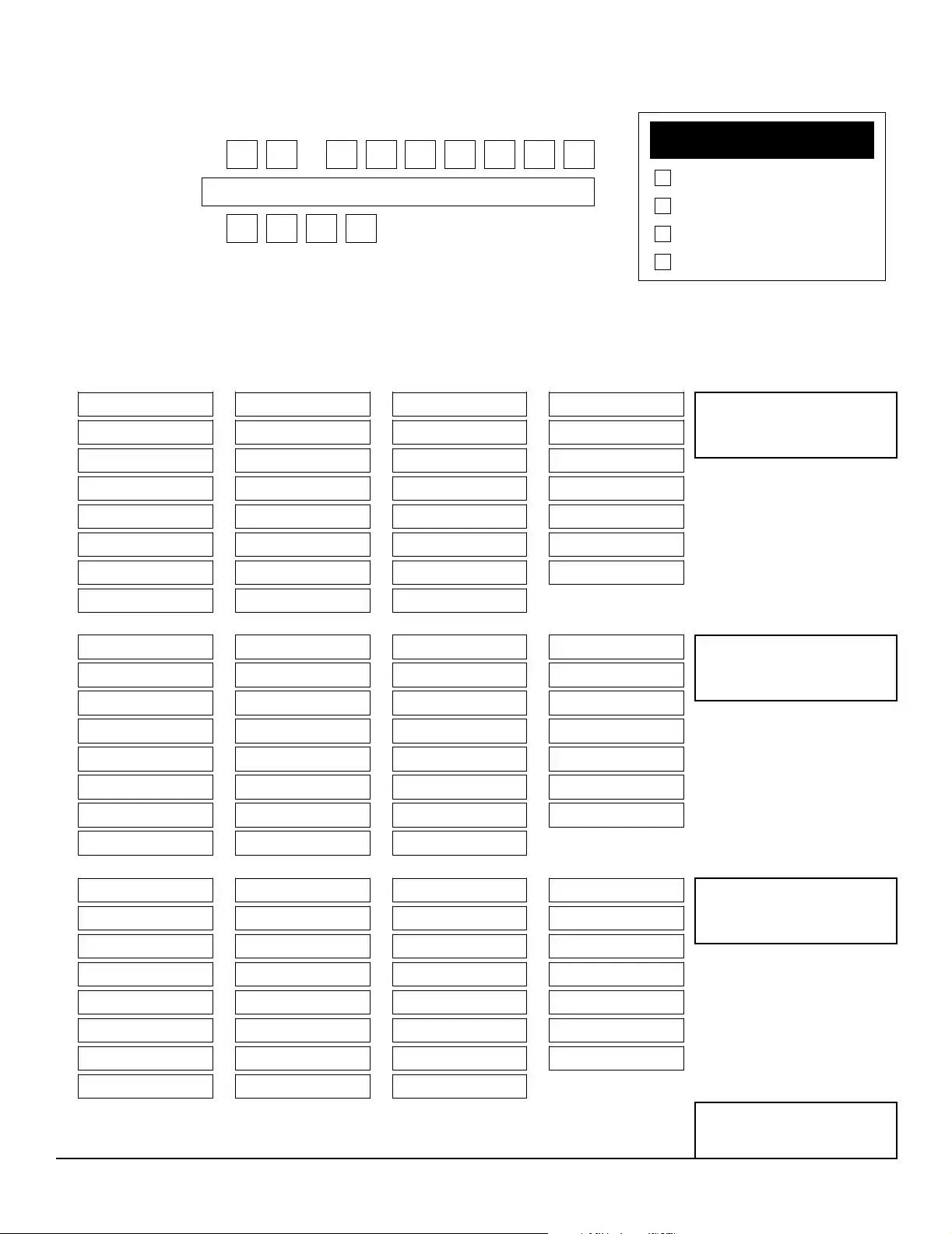
The IRS Schedule B (Form 941) serves a critical role in the reporting process for employers who are required to withhold and pay employment taxes. This form is specifically designed for employers who have a significant amount of payroll tax liability, allowing them to report their tax obligations accurately. It captures important information about the total amount of wages paid to employees, the number of employees, and the corresponding federal income tax withheld. Additionally, Schedule B provides a breakdown of the employer's liability for Social Security and Medicare taxes. By completing this form, employers can ensure compliance with federal tax regulations while also facilitating the proper calculation of their tax deposits. Timely and accurate submission of Schedule B is essential, as it helps the IRS monitor payroll tax compliance and assists employers in managing their tax responsibilities effectively.
| Fact Name | Description |
|---|---|
| Purpose | The IRS Schedule B (Form 941) is used to report the amount of federal income tax withheld from employees' wages. |
| Filing Frequency | This form must be filed quarterly by employers who withhold income tax and pay Social Security and Medicare taxes. |
| Due Dates | Employers must submit Schedule B along with Form 941 by the last day of the month following the end of the quarter. |
| State-Specific Laws | Employers should also be aware of state-specific requirements. For example, California's Employment Development Department governs state payroll taxes. |
| Record Keeping | Employers must keep records of wages paid and taxes withheld for at least four years to comply with IRS regulations. |
Completing the IRS Schedule B (Form 941) is essential for reporting employment taxes. After gathering the necessary information, you can begin filling out the form. Follow these steps carefully to ensure accuracy.
Once completed, ensure that you keep a copy for your records. Submit the form to the IRS by the due date to avoid any penalties.
The IRS Schedule B (Form 941) is a document used by employers to report their payroll tax liabilities. Specifically, it details the total amount of federal income tax withheld from employees’ wages, as well as the employer’s share of Social Security and Medicare taxes. This form is filed quarterly, alongside Form 941, which is the Employer's Quarterly Federal Tax Return. Schedule B helps the IRS track an employer’s tax payments and ensures compliance with federal tax regulations.
Not every employer is required to file Schedule B. Generally, you must file this form if you reported a total of $100,000 or more in tax liability during a deposit period within the current or preceding quarter. Additionally, if you have been notified by the IRS to file Schedule B, you must comply. It’s important to assess your tax liability accurately to determine whether you fall into this category.
Completing Schedule B involves several steps:
Failing to file Schedule B when required can lead to several consequences. The IRS may impose penalties for late filing or failure to file, which can accumulate over time. Additionally, not providing accurate tax information can result in further scrutiny from the IRS, potentially leading to audits or additional fines. It is crucial to stay compliant with all filing requirements to avoid these issues.
Filling out the IRS Schedule B (Form 941) can be a complex task. Many individuals and businesses make mistakes that can lead to delays or issues with their tax filings. One common error is failing to report all wages paid during the quarter. It is crucial to ensure that every employee's wages are included, as omitting any can result in discrepancies.
Another frequent mistake is miscalculating the tax liability. This can happen when individuals do not accurately account for the tax rates or fail to include all applicable taxes. It is important to double-check calculations to avoid underpayment penalties.
Some filers neglect to sign the form. A signature is required to validate the information provided. Without it, the IRS may consider the submission incomplete, which can lead to further complications.
Incorrectly entering the employer identification number (EIN) is another error that can occur. The EIN must match the one on file with the IRS. A mismatch can cause delays in processing the form and may lead to penalties.
Many people also fail to keep accurate records of employee hours and wages. Inaccurate record-keeping can result in reporting errors on Schedule B. It is essential to maintain detailed records to support the information provided on the form.
Some filers do not follow the specific instructions for the form. Each version of the Schedule B may have unique requirements. Not adhering to these can lead to mistakes that affect the overall filing.
Another mistake is submitting the form late. Timeliness is crucial when it comes to tax filings. Late submissions can incur penalties and interest, adding unnecessary financial burdens.
Lastly, individuals often overlook the importance of reviewing the completed form before submission. Errors can easily go unnoticed without a thorough review. Taking the time to check for mistakes can save significant time and resources in the long run.
The IRS Schedule B (Form 941) is used by employers to report their tax liabilities for social security, Medicare, and federal income taxes withheld from employees. Alongside this form, several other documents are often required to ensure compliance with tax regulations. Here are five common forms that may accompany Schedule B:
By understanding these related forms, employers can ensure they remain compliant with federal tax obligations and avoid potential penalties. Keeping accurate records and submitting the necessary documentation is essential for smooth operations.
The IRS Schedule B (Form 941) is a document that employers use to report their tax liability for Social Security and Medicare taxes, along with federal income tax withholding. Similar to this form, the IRS Form 940 serves as an annual unemployment tax return. While Schedule B is filed quarterly, Form 940 is submitted once a year. Both forms are essential for compliance with federal tax regulations, ensuring that employers accurately report their tax obligations to the IRS. The information collected helps the government track employment taxes and ensures that funds are available for unemployment benefits when needed.
Another form that shares similarities with Schedule B is the IRS Form W-2. This form is used by employers to report wages paid to employees and the taxes withheld from those wages. While Schedule B focuses on the employer's tax liability, Form W-2 provides detailed information about individual employee earnings and withholdings. Both documents are crucial for accurate tax reporting and compliance, as they help ensure that employees receive the correct amount of tax credits and benefits based on their earnings.
The IRS Form 941 itself is akin to the IRS Form 943, which is specifically designed for agricultural employers. Like Schedule B, Form 943 is used to report Social Security, Medicare, and federal income taxes withheld from employees. However, the primary distinction lies in the type of workforce being reported. Both forms require similar information regarding tax liabilities and employee wages, ensuring that agricultural workers are also covered under federal tax regulations.
IRS Form 945 is another document that bears resemblance to Schedule B. This form is utilized to report federal income tax withheld from non-payroll payments, such as pensions and annuities. While Schedule B deals with payroll taxes, Form 945 focuses on the withholding from other types of income. Both forms serve to keep the IRS informed about the tax obligations of various payment types, ensuring compliance across different income streams.
Additionally, IRS Form 1099-MISC is a form that can be compared to Schedule B in terms of reporting income. This document is used to report miscellaneous income paid to non-employees, such as independent contractors. While Schedule B is concerned with payroll taxes, Form 1099-MISC provides information on payments made outside of traditional employment. Both forms are integral in maintaining accurate tax records and ensuring that all income is reported to the IRS.
Lastly, IRS Form 8862 can be mentioned in relation to Schedule B. This form is used by individuals who need to claim the Earned Income Tax Credit (EITC) after having previously been denied. While not directly a reporting form like Schedule B, it shares the theme of ensuring compliance with tax obligations. Both documents underscore the importance of accurate reporting and adherence to tax laws, ultimately aiming to support taxpayers in understanding and fulfilling their tax responsibilities.
When completing the IRS Schedule B (Form 941), it's important to follow guidelines to ensure accuracy and compliance. Here’s a list of things to do and avoid:
By following these guidelines, you can help ensure that your Schedule B is completed correctly and submitted on time.
The IRS Schedule B (Form 941) is an important document for employers. It helps report employment taxes, but there are several misconceptions surrounding it. Here are four common misunderstandings:
Understanding these misconceptions can help employers navigate their tax responsibilities more effectively. Always ensure compliance with IRS requirements to avoid penalties.
The IRS Schedule B (Form 941) is an important document for employers who need to report their tax liabilities accurately. Here are some key takeaways regarding its use: