Go Law

Go Law

Homepage Download IRS Schedule C 1040 Form in PDF
Contents

The IRS Schedule C 1040 form serves as a crucial document for individuals operating a sole proprietorship or engaging in self-employment. This form allows taxpayers to report income earned from their business activities, providing a detailed account of both revenue and expenses associated with their operations. Various sections of Schedule C require information such as gross receipts, cost of goods sold, and other business expenses, including advertising, utilities, and travel costs. Additionally, self-employed individuals can claim deductions for home office expenses and vehicle use, which can significantly impact their overall tax liability. The information provided on Schedule C is then transferred to the individual's main tax return, ensuring that all income and deductions are accurately reflected. Understanding how to complete this form is essential for maintaining compliance with tax regulations and optimizing potential tax benefits.
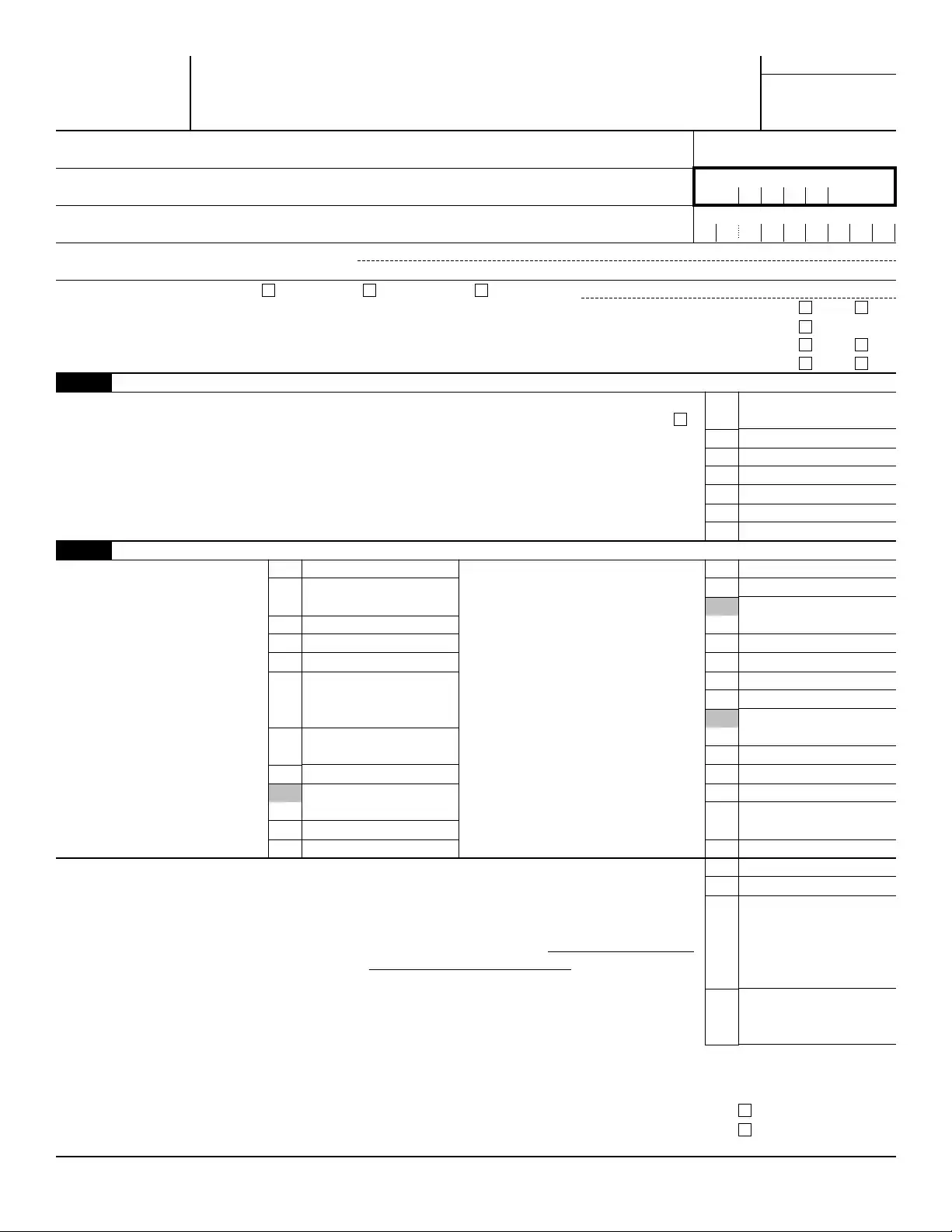
Preview - IRS Schedule C 1040 Form

SCHEDULE C
(Form 1040)
2025
Profit or Loss From Business
(Sole Proprietorship)
Department of the Treasury
Internal Revenue Service
Attach to Form 1040, 1040-SR, 1040-SS, 1040-NR, or 1041; partnerships must generally file Form 1065.
Go to www.irs.gov/ScheduleC for instructions and the latest information.
OMB No. 1545-0074
Attachment
Sequence No.
09
Name of proprietor Social security number (SSN)
A Principal business or profession, including product or service (see instructions)
B Enter code from instructions
C Business name. If no separate business name, leave blank.
D
Employer ID number (EIN) (see instr.)
E
Business address (including suite or room no.)
City, town or post office, state, and ZIP code
F Accounting method: (1)
Cash (2) Accrual (3) Other (specify)
G Did you “materially participate” in the operation of this business during 2025? If “No,” see instructions for limit on losses .
Yes No
H If you started or acquired this business during 2025, check here . . . . . . . . . . . . . . . . . .
I Did you make any payments in 2025 that would require you to file Form(s) 1099? See instructions . . . . . . . .
Yes No
J If “Yes,” did you or will you file required Form(s) 1099? . . . . . . . . . . . . . . . . . . . . .
Yes No
Part I Income
1 Gross receipts or sales. See instructions for line 1 and check the box if this income was reported to you on
Form W-2 and the “Statutory employee” box on that form was checked . . . . . . . . . 1
2 Returns and allowances . . . . . . . . . . . . . . . . . . . . . . . . . 2
3 Subtract line 2 from line 1 . . . . . . . . . . . . . . . . . . . . . . . . 3
4 Cost of goods sold (from line 42) . . . . . . . . . . . . . . . . . . . . . . 4
5 Gross profit. Subtract line 4 from line 3 . . . . . . . . . . . . . . . . . . . . 5
6 Other income, including federal and state gasoline or fuel tax credit or refund (see instructions) . . . . 6
7 Gross income. Add lines 5 and 6 . . . . . . . . . . . . . . . . . . . . . . 7
Part II
Expenses. Enter expenses for business use of your home only on line 30.
8 Advertising . . . . . 8
9 Car and truck expenses
(see instructions) . . . 9
10 Commissions and fees . 10
11
Contract labor (see instructions)
11
12 Depletion . . . . . 12
13
Depreciation and section 179
expense deduction (not
included in Part III) (see
instructions) . . . .
13
14 Employee benefit programs
(other than on line 19) . 14
15
Insurance (other than health)
15
16 Interest (see instructions):
a
Mortgage (paid to banks, etc.)
16a
b Other . . . . . . 16b
17
Legal and professional services
17
18 Office expense (see instructions) . 18
19 Pension and profit-sharing plans . 19
20 Rent or lease (see instructions):
a
Vehicles, machinery, and equipment
20a
b Other business property . . . 20b
21 Repairs and maintenance . . . 21
22 Supplies (not included in Part III) . 22
23 Taxes and licenses . . . . . 23
24 Travel and meals:
a Travel . . . . . . . . . 24a
b
Deductible meals (see instructions)
24b
25 Utilities . . . . . . . . 25
26 Wages (less employment credits) 26
27 a Energy efficient commercial bldgs
deduction (attach Form 7205) . . 27a
b Other expenses (from line 48) . . 27b
28 Total expenses before expenses for business use of home. Add lines 8 through 27b . . . . . . . 28
29 Tentative profit or (loss). Subtract line 28 from line 7 . . . . . . . . . . . . . . . . . 29
30 Expenses for business use of your home. Do not report these expenses elsewhere. Attach Form 8829
unless using the simplified method. See instructions.
Simplified method filers only: Enter the total square footage of (a) your home:
and (b) the part of your home used for business:
. Use the Simplified
Method Worksheet in the instructions to figure the amount to enter on line 30 . . . . . . . . .
30
31 Net profit or (loss). Subtract line 30 from line 29.
• If a profit, enter on both Schedule 1 (Form 1040), line 3, and on Schedule SE, line 2. (If you
checked the box on line 1, see instructions.) Estates and trusts, enter on Form 1041, line 3.
• If a loss, you must go to line 32.
}
31
32 If you have a loss, check the box that describes your investment in this activity. See instructions.
• If you checked 32a, enter the loss on both Schedule 1 (Form 1040), line 3, and on Schedule
SE, line 2. (
If you checked the box on line 1, see the line 31 instructions.)
Estates and trusts, enter on
Form 1041, line 3.
• If you checked 32b, you must attach Form 6198. Your loss may be limited.
}
32a All investment is at risk.
32b Some investment is not
at risk.
For Paperwork Reduction Act Notice, see the separate instructions.
Cat. No. 11334P Schedule C (Form 1040) 2025 Created 4/3/25
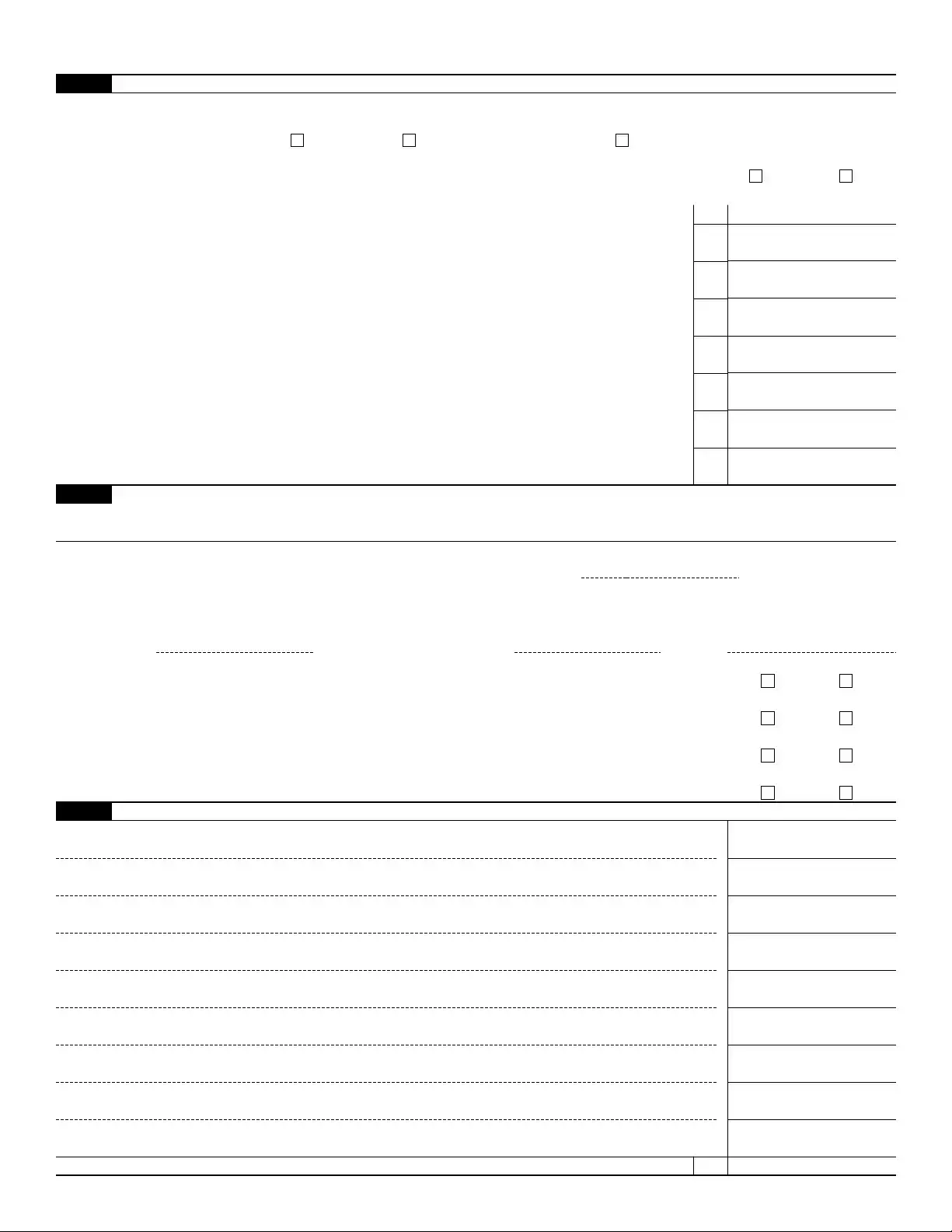
Schedule C (Form 1040) 2025
Page 2
Part III Cost of Goods Sold (see instructions)
33 Method(s) used to
value closing inventory: a
Cost b Lower of cost or market c Other (attach explanation)
34 Was there any change in determining quantities, costs, or valuations between opening and closing inventory?
If “Yes,” attach explanation . . . . . . . . . . . . . . . . . . . . . . . . . .
Yes No
35 Inventory at beginning of year. If different from last year’s closing inventory, attach explanation . . .
35
36 Purchases less cost of items withdrawn for personal use . . . . . . . . . . . . . . 36
37 Cost of labor. Do not include any amounts paid to yourself . . . . . . . . . . . . . . 37
38 Materials and supplies . . . . . . . . . . . . . . . . . . . . . . . . 38
39 Other costs . . . . . . . . . . . . . . . . . . . . . . . . . . . . 39
40 Add lines 35 through 39 . . . . . . . . . . . . . . . . . . . . . . . . 40
41 Inventory at end of year . . . . . . . . . . . . . . . . . . . . . . . . 41
42 Cost of goods sold. Subtract line 41 from line 40. Enter the result here and on line 4 . . . . . . 42
Part IV
Information on Your Vehicle. Complete this part only if you are claiming car or truck expenses on line 9 and
are not required to file Form 4562 for this business. See the instructions for line 13 to find out if you must file
Form 4562.
43 When did you place your vehicle in service for business purposes? (month/day/year)
/ /
44 Of the total number of miles you drove your vehicle during 2025, enter the number of miles you used your vehicle for:
a
Business b Commuting (see instructions) c Other
45 Was your vehicle available for personal use during off-duty hours? . . . . . . . . . . . . . . .
Yes No
46 Do you (or your spouse) have another vehicle available for personal use?. . . . . . . . . . . . . .
Yes No
47a Do you have evidence to support your deduction? . . . . . . . . . . . . . . . . . . . .
Yes No
b If “Yes,” is the evidence written? . . . . . . . . . . . . . . . . . . . . . . . . .
Yes No
Part V Other Expenses. List below business expenses not included on lines 8-27a, or line 30.
48 Total other expenses. Enter here and on line 27b . . . . . . . . . . . . . . . . 48
Schedule C (Form 1040) 2025

Document Specifics

Fact Name Description
Purpose The IRS Schedule C (Form 1040) is used by sole proprietors to report income and expenses from their business activities.
Filing Requirement Taxpayers must file Schedule C if they earned $400 or more in net earnings from self-employment during the tax year.
Income Reporting All income from the business must be reported, including cash, checks, and credit card payments.
Deductible Expenses Business expenses such as supplies, utilities, and travel costs can be deducted to reduce taxable income.
State-Specific Forms Some states may require additional forms for business income reporting. For example, California requires Form 540 for state income tax purposes.

IRS Schedule C 1040: Usage Instruction

Filling out the IRS Schedule C (Form 1040) is a straightforward process that allows self-employed individuals to report their income and expenses. Following these steps will help ensure that you complete the form accurately and efficiently.

  1. Gather Your Documents: Collect all relevant financial records, including income statements, receipts for expenses, and any other documentation related to your business.
  2. Fill Out Your Business Information: At the top of the form, provide your name, Social Security number, and the name of your business. Include your business address and the type of business you operate.
  3. Report Your Income: In Part I of the form, list your gross receipts or sales. If you had any returns or allowances, subtract those from your total income.
  4. Calculate Your Expenses: In Part II, categorize your business expenses. This includes costs like advertising, car and truck expenses, contract labor, and utilities. Be thorough and ensure you have documentation for each expense.
  5. Determine Your Net Profit or Loss: After listing all your income and expenses, calculate your net profit or loss. This figure is crucial as it will affect your overall tax liability.
  6. Complete Additional Sections: If applicable, fill out any additional sections, such as those related to cost of goods sold or other specific deductions relevant to your business.
  7. Review Your Form: Double-check all entries for accuracy. Make sure that your math is correct and that all required fields are completed.
  8. Sign and Date the Form: Finally, sign and date the form. If you’re filing jointly, your spouse must also sign.

After completing Schedule C, you will attach it to your Form 1040 when you file your taxes. It's important to keep copies of all documents for your records, as you may need them for future reference or in case of an audit.

Learn More on IRS Schedule C 1040

What is IRS Schedule C (Form 1040)?

IRS Schedule C is a tax form used by sole proprietors to report income or loss from their business. This form is filed alongside Form 1040, the individual income tax return. It helps the IRS understand how much profit or loss your business generated during the tax year. Completing Schedule C accurately is essential for determining your overall tax liability.

Who needs to file Schedule C?

If you operate a business as a sole proprietor, you will likely need to file Schedule C. This includes freelancers, independent contractors, and anyone running a business that is not a corporation or partnership. If your business generated income, even if it was a small amount, you should report it using this form.

What information do I need to complete Schedule C?

To complete Schedule C, gather the following information:

  • Your business name and address.
  • Your Employer Identification Number (EIN) if you have one.
  • Gross receipts or sales from your business.
  • Expenses related to your business, such as rent, utilities, supplies, and wages.
  • Any other relevant financial records, like bank statements or invoices.

How do I report income on Schedule C?

Income is reported in Part I of Schedule C. You will list your gross receipts or sales at the top of this section. If you had any returns or allowances, subtract those from your gross receipts to determine your total income. This total is crucial as it impacts your overall tax calculation.

What types of expenses can I deduct on Schedule C?

Many business-related expenses can be deducted on Schedule C, including:

  • Cost of goods sold
  • Advertising and marketing expenses
  • Office supplies and equipment
  • Utilities and rent for business property
  • Travel and vehicle expenses related to business

It’s important to keep detailed records of all expenses to support your deductions.

What happens if my business has a loss?

If your business expenses exceed your income, you will report a loss on Schedule C. This loss can offset other income on your tax return, potentially reducing your overall tax liability. However, there are limits on how much loss you can claim, especially if you are considered a hobbyist rather than a business.

Can I file Schedule C electronically?

Yes, you can file Schedule C electronically using tax software or through a tax professional. Many tax programs will guide you through the process, making it easier to input your information and calculate your taxes. Electronic filing is often faster and can help reduce errors.

Where do I send my completed Schedule C?

After completing Schedule C, you will attach it to your Form 1040 when filing your taxes. If you are filing by mail, send it to the address specified for your state in the IRS instructions. If you are filing electronically, the software will automatically submit it along with your Form 1040.

Common mistakes

Filling out the IRS Schedule C (Form 1040) can be a daunting task for many. Mistakes are common, and they can lead to issues down the line. One frequent error is failing to report all income. It's essential to include every source of income related to your business. Omitting even a small amount can raise red flags with the IRS.

Another mistake is misclassifying expenses. Some individuals mistakenly categorize personal expenses as business expenses. This can result in penalties and interest if the IRS audits your return. Always ensure that your expenses are directly related to your business operations.

Many people also overlook the importance of keeping accurate records. Without proper documentation, substantiating your income and expenses becomes challenging. Receipts, invoices, and bank statements are vital. They serve as proof in case of an audit.

Another common error involves not taking advantage of deductions. Many small business owners miss out on legitimate deductions that can significantly reduce their taxable income. For instance, home office deductions or vehicle expenses are often underutilized. Understanding what you can deduct is crucial for minimizing tax liability.

Some individuals fail to report changes in business structure. If you’ve changed from a sole proprietorship to an LLC or another structure, this must be reflected on your Schedule C. Not updating this information can lead to complications and confusion with the IRS.

Additionally, people sometimes forget to sign and date their forms. This may seem trivial, but failing to do so can delay processing and potentially lead to penalties. Always double-check that your form is complete and signed.

Another mistake is neglecting to consult tax professionals when needed. Tax laws can be complicated, and seeking guidance can save you time and money. A qualified tax advisor can help you navigate the complexities of the Schedule C and ensure compliance with IRS regulations.

Finally, many individuals underestimate the importance of deadlines. Missing the filing deadline can result in late fees and interest charges. Mark your calendar and set reminders to ensure you file on time.

Documents used along the form

The IRS Schedule C (Form 1040) is a critical document for individuals who are self-employed or operate a sole proprietorship. It allows taxpayers to report income and expenses related to their business. However, several other forms and documents often accompany Schedule C to provide a comprehensive picture of a taxpayer's financial situation. Below is a list of these forms, each serving a unique purpose in the tax filing process.

  • Form 1040: This is the standard individual income tax return form used by all taxpayers. It summarizes total income, deductions, and tax owed or refund due.
  • Schedule SE: This form calculates self-employment tax for individuals who earn income through self-employment, ensuring they contribute to Social Security and Medicare.
  • Form 4562: Used to claim depreciation on business assets, this form helps taxpayers recover the cost of property over its useful life, impacting taxable income.
  • Form 8829: This form is for claiming expenses for business use of a home, allowing self-employed individuals to deduct certain home-related costs.
  • Form 1099-MISC: This document reports income received from sources other than wages, such as freelance work or contract services, which is essential for accurate income reporting.
  • Form 1099-NEC: Similar to the 1099-MISC, this form specifically reports non-employee compensation, which is crucial for self-employed individuals to include in their income.
  • Schedule A: This form is used for itemizing deductions, which can benefit taxpayers who have significant deductible expenses, potentially lowering their taxable income.
  • Form W-2: If a self-employed individual has employees, this form reports wages paid to employees and the taxes withheld, necessary for accurate reporting of payroll expenses.
  • Form 1040-X: This is the amended return form used to correct errors on a previously filed Form 1040, ensuring that all information is accurate and up-to-date.

Understanding these accompanying forms and documents is essential for anyone navigating the complexities of self-employment taxes. Each form plays a vital role in ensuring compliance with IRS regulations and maximizing potential deductions. Properly completing and submitting these forms can lead to a more favorable tax outcome.

Similar forms

The IRS Schedule C (Form 1040) is similar to the IRS Form 1065, which is used by partnerships to report income, deductions, and other relevant information. Both forms require a detailed accounting of business income and expenses. While Schedule C is for sole proprietors, Form 1065 serves multiple partners, yet both documents aim to provide the IRS with a clear picture of the business's financial performance. Each form facilitates the calculation of taxable income, ensuring compliance with federal tax regulations.

Another document that resembles Schedule C is the IRS Form 1120, which is used by corporations to report their income. Like Schedule C, Form 1120 requires a comprehensive breakdown of income and expenses. However, while Schedule C focuses on individual business owners, Form 1120 is for corporate entities. Both forms help in determining the tax liability of the business, making it essential for accurate tax reporting.

The IRS Schedule C also shares similarities with the IRS Form 940, which is used to report annual Federal Unemployment Tax Act (FUTA) taxes. While Schedule C focuses on income and expenses, Form 940 is concerned with employment taxes. Both forms require accurate financial information to ensure compliance with tax obligations, highlighting the interconnectedness of business income and employment tax responsibilities.

IRS Form 941 is another document akin to Schedule C, as it reports payroll taxes for employers. While Schedule C is for sole proprietors detailing their business income, Form 941 focuses on the wages paid to employees and the taxes withheld. Both forms require meticulous record-keeping and accurate reporting to avoid penalties, emphasizing the importance of financial transparency in business operations.

Lastly, IRS Form 4562, which deals with depreciation and amortization, has similarities with Schedule C in that both forms relate to business expenses. Schedule C allows sole proprietors to deduct certain expenses, including depreciation, while Form 4562 provides the details necessary to calculate those deductions. Understanding both forms is crucial for maximizing allowable deductions and ensuring compliance with tax regulations.

Dos and Don'ts

When filling out the IRS Schedule C (Form 1040), it's crucial to follow best practices to ensure accuracy and compliance. Here are five things to do and five things to avoid.

Things You Should Do:

  • Gather all necessary documents, including income records and expense receipts.
  • Clearly categorize your income and expenses to avoid confusion.
  • Keep detailed records of business-related expenses to support your claims.
  • Double-check your calculations to minimize errors.
  • File your form on time to avoid penalties and interest charges.

Things You Shouldn't Do:

  • Don’t mix personal and business expenses; this can lead to complications.
  • Avoid rounding off figures; provide exact amounts for accuracy.
  • Don’t ignore the instructions provided by the IRS; they are there for a reason.
  • Never submit incomplete forms; this can delay processing.
  • Don’t forget to sign and date your form before submitting it.

Misconceptions

Understanding the IRS Schedule C (Form 1040) can be challenging, especially for those new to self-employment. Several misconceptions often arise regarding its use and requirements. Below is a list of common misunderstandings.

  • Schedule C is only for sole proprietors. Many believe that only sole proprietors need to file Schedule C. However, this form is also used by single-member LLCs and certain partnerships, making it applicable to a broader range of business structures.
  • All income must be reported on Schedule C. Some individuals think that only income directly from sales needs to be reported. In reality, all income generated from the business, including side gigs and freelance work, must be reported on this form.
  • Expenses can only be deducted if they are receipts. A common misconception is that only expenses with receipts can be deducted. While having receipts is essential for documentation, other forms of evidence, such as bank statements or invoices, can also support expense claims.
  • Schedule C is only for businesses that make a profit. Many assume that if their business did not make a profit, they do not need to file Schedule C. However, even if a business operates at a loss, filing Schedule C is necessary to report that loss and potentially offset other income.
  • All business expenses are fully deductible. There is a belief that every expense incurred in running a business can be fully deducted. However, some expenses, such as meals and entertainment, have limitations on how much can be deducted.
  • Filing Schedule C guarantees a tax refund. Some people think that filing Schedule C will automatically result in a tax refund. While reporting business losses can lower taxable income, a refund is not guaranteed and depends on overall tax liability.
  • Once filed, Schedule C cannot be amended. There is a misconception that once a Schedule C is submitted, it cannot be changed. In fact, taxpayers can amend their returns if they discover errors or need to make adjustments.
  • Self-employment tax is calculated only on net income from Schedule C. Many believe that self-employment tax applies only to the profit reported on Schedule C. In reality, self-employment tax is calculated based on net earnings, which may differ from the net income reported.

Being aware of these misconceptions can help individuals navigate the complexities of self-employment tax filings more effectively. Understanding the true requirements and implications of Schedule C can lead to better financial planning and compliance.

Key takeaways

Filling out the IRS Schedule C (Form 1040) is an essential task for many self-employed individuals. Understanding its key aspects can simplify the process and help ensure accurate reporting of income and expenses. Here are some important takeaways:

  • Purpose of Schedule C: This form is used to report income or loss from a business you operated or a profession you practiced as a sole proprietor. It helps determine your net profit or loss, which is then transferred to your personal tax return.
  • Record Keeping: Keeping detailed records of all business-related income and expenses is crucial. This includes receipts, invoices, and bank statements. Accurate records will support the information you report on your Schedule C.
  • Deductible Expenses: Familiarize yourself with what expenses you can deduct. Common deductions include costs for supplies, advertising, and business use of your home. These deductions can significantly reduce your taxable income.
  • Filing Deadlines: Be mindful of the deadlines for filing your Schedule C. Typically, it is due on April 15, along with your personal tax return. If you need more time, consider filing for an extension, but remember that any taxes owed are still due by the original deadline.