
Go Law
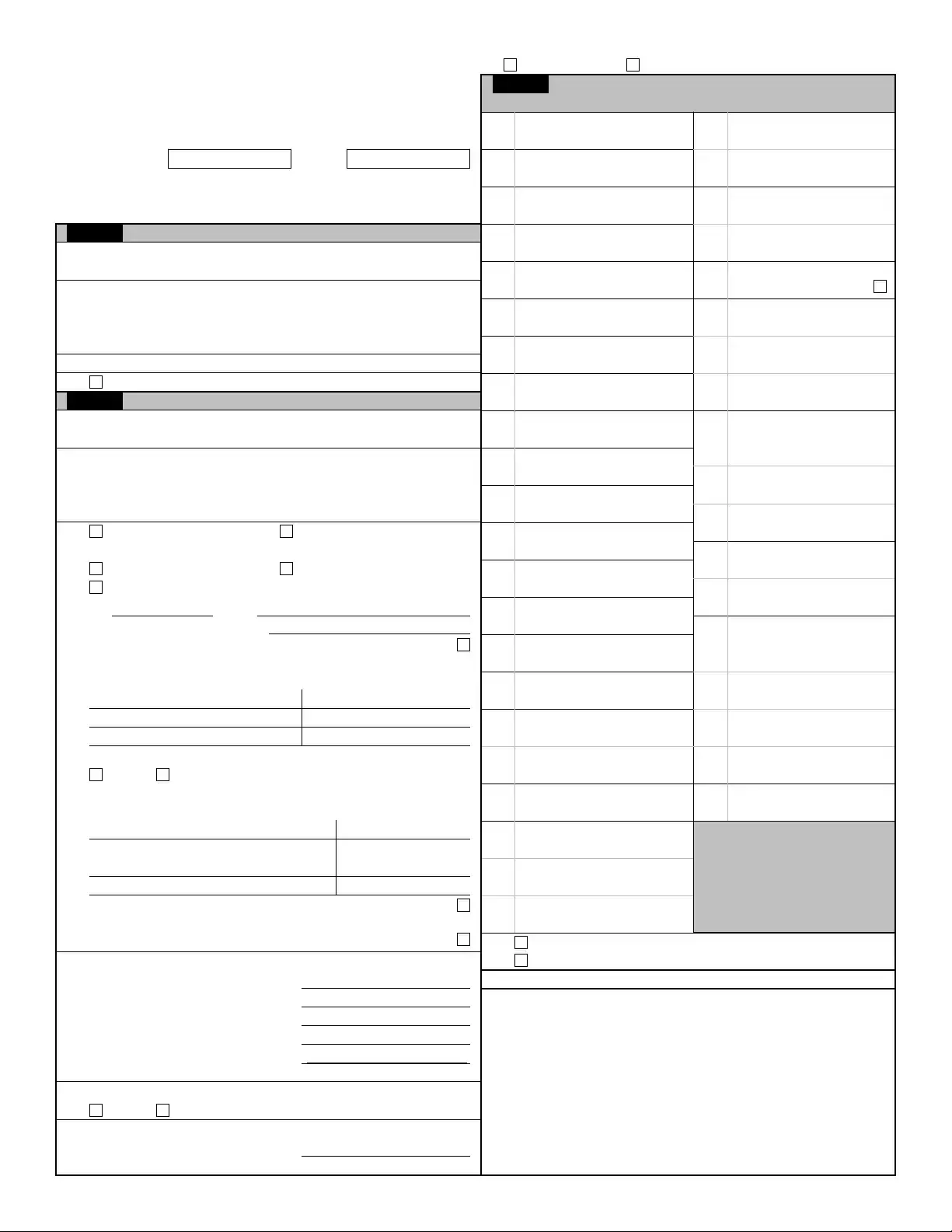
The IRS Schedule K-1 (Form 1065) is a crucial document for partnerships, providing detailed information about each partner's share of income, deductions, and credits. This form plays a significant role in the tax reporting process for partnerships, as it helps ensure that each partner accurately reports their earnings on their individual tax returns. Typically issued by partnerships, the K-1 outlines not only the financial contributions of each partner but also their respective share of the partnership's profits and losses. The information contained in this form is essential for partners to understand their tax obligations and to comply with IRS requirements. Moreover, the K-1 includes various sections that detail specific types of income, such as ordinary business income, rental income, and capital gains, along with any deductions or credits that may apply. Filing this form accurately is vital, as it directly impacts each partner's tax liability and ensures transparency within the partnership structure.
| Fact Name | Description |
|---|---|
| Purpose | The IRS Schedule K-1 (Form 1065) is used to report income, deductions, and credits from partnerships to the IRS and individual partners. |
| Who Uses It | Partnerships must issue a K-1 to each partner, detailing their share of the partnership's income, deductions, and credits. |
| Filing Deadline | The K-1 must be provided to partners by the partnership by the due date of the partnership's tax return, typically March 15 for calendar year partnerships. |
| State Variations | Many states have their own versions of the K-1. For example, California uses Form 565 K-1, governed by California Revenue and Taxation Code. |
| Information Included | The K-1 includes the partner's share of income, losses, deductions, and credits, as well as other relevant partnership details. |
| Tax Implications | Income reported on the K-1 is generally passed through to the partners, meaning it is taxed at the individual partner's tax rate. |
| Amendments | If a partnership needs to correct a K-1, it must issue a revised form to the partners and file it with the IRS. |
| Record Keeping | Partners should keep their K-1s for at least three years, as they may be needed for tax audits or future tax filings. |
After receiving the IRS Schedule K-1 (Form 1065), it is essential to complete it accurately to report income, deductions, and credits from partnerships. This information will be used for your tax return and may affect your overall tax liability.
The IRS Schedule K-1 (Form 1065) is a tax document used by partnerships to report income, deductions, and credits. Each partner in the partnership receives a K-1, which details their share of the partnership’s income or loss. This information is essential for partners to accurately report their income on their personal tax returns.
Partnerships must file Schedule K-1 for each partner involved in the business. This includes general partnerships, limited partnerships, and limited liability companies (LLCs) that are treated as partnerships for tax purposes. Each partner will then use the information from their K-1 to report their share of the partnership’s income on their individual tax returns.
The Schedule K-1 includes several key pieces of information:
This information helps partners understand their financial stake in the partnership and how it affects their tax obligations.
Partners use the information from their K-1 to complete their personal tax returns. They report their share of the partnership's income or loss on their Form 1040, typically on Schedule E. It’s important for partners to keep their K-1 safe, as they may need to refer to it when filing their taxes or if any questions arise from the IRS.
If a partner does not receive their Schedule K-1 by the tax filing deadline, they should first contact the partnership to inquire about it. The partnership is required to provide the K-1 to each partner. If there are delays or issues, partners may need to estimate their income and file their taxes accordingly, but it is advisable to amend the return once the K-1 is received.
Filling out the IRS Schedule K-1 (Form 1065) can be a complex task, and many people make mistakes that can lead to issues down the line. One common error is failing to report all income accurately. Each partner's share of income, deductions, and credits must be reported correctly. If a partner overlooks any income, it can result in discrepancies that may trigger audits or penalties. It's crucial to double-check all figures and ensure that all sources of income are included.
Another frequent mistake is misclassifying income types. Schedule K-1 requires different types of income to be reported in specific sections. For instance, ordinary business income should not be mixed with capital gains. Misclassification can lead to incorrect tax calculations, potentially resulting in overpayment or underpayment of taxes. Understanding the distinctions between different income types is essential for accurate reporting.
People often neglect to account for the adjustments that may affect their basis in the partnership. The basis is crucial for determining gain or loss when a partner sells their interest in the partnership. If adjustments are not made for distributions or additional contributions, it can lead to significant tax implications. Keeping detailed records of all transactions related to the partnership can help avoid this mistake.
Lastly, partners sometimes forget to sign and date the form. While it may seem minor, an unsigned Schedule K-1 can be deemed invalid by the IRS. This oversight can delay tax filings and create unnecessary complications. Always ensure that the form is signed and dated before submission to prevent any issues with the IRS.
The IRS Schedule K-1 (Form 1065) is a crucial document for partnerships, detailing each partner's share of income, deductions, and credits. Along with this form, several other documents are often utilized to provide a comprehensive financial picture for tax purposes. Below is a list of related forms and documents that may accompany the Schedule K-1.
Understanding these accompanying forms is essential for partners to accurately file their taxes and comply with IRS requirements. Each document plays a specific role in ensuring that income, deductions, and credits are reported correctly, thus minimizing the risk of audits or penalties.
The IRS Schedule K-1 (Form 1065) is similar to the Schedule K-1 (Form 1120S), which is used for S corporations. Both forms report income, deductions, and credits to shareholders or partners. Just like the K-1 for partnerships, the K-1 for S corporations provides detailed information about each shareholder's share of the corporation's income, losses, and other tax-related items. This allows shareholders to report their portion of the income on their personal tax returns, ensuring that they pay taxes on their earnings from the corporation.
Another document akin to the Schedule K-1 (Form 1065) is the Schedule K-1 (Form 1041) for estates and trusts. This form serves a similar purpose by reporting the income, deductions, and credits that beneficiaries receive from an estate or trust. Beneficiaries use this information to accurately report their share of the income on their individual tax returns. Both forms ensure that income is taxed at the individual level, reflecting the unique tax situations of partnerships and trusts.
The IRS Form 1065 itself is closely related to the Schedule K-1 (Form 1065). While the K-1 provides information to individual partners, the Form 1065 is the partnership's tax return. It reports the overall income, deductions, and credits of the partnership as a whole. The K-1 is derived from this return, breaking down the partnership's financial information for each partner, thus facilitating accurate tax reporting for individuals involved.
Form 1099-DIV is another document that shares similarities with the K-1. This form reports dividends and distributions to shareholders from corporations or mutual funds. Like the K-1, it provides essential information for taxpayers to report income on their tax returns. Both documents help ensure that individuals accurately account for their income, whether it comes from a partnership or a corporation.
Form 1099-INT is also comparable to the K-1, as it reports interest income earned by individuals. Financial institutions issue this form to account holders, detailing the interest income they must report on their tax returns. While the K-1 focuses on income from partnerships, both forms play a crucial role in helping taxpayers accurately declare their earnings for tax purposes.
Form 1099-MISC, which reports miscellaneous income, is another document that shares characteristics with the Schedule K-1. This form is used to report various types of income, such as payments to independent contractors. Like the K-1, it provides necessary information for recipients to report income accurately on their tax returns, ensuring that all earnings are accounted for.
Form 1065-B is similar in that it is specifically designed for electing large partnerships. This form allows partnerships with over 100 partners to report their income and deductions in a streamlined manner. The K-1s issued from Form 1065-B provide individual partners with their share of the partnership's income, much like the standard K-1 from Form 1065, but with considerations for larger entities.
The IRS Form 1040, particularly the Schedule E attachment, is another relevant document. Schedule E is used by individuals to report supplemental income and loss, including income from partnerships. The information from the K-1 is reported on this schedule, allowing taxpayers to accurately reflect their earnings from partnerships on their personal tax returns. Both documents work together to ensure that partnership income is properly reported.
Lastly, Form 8886 is related in that it deals with reporting certain transactions, including those involving partnerships. While it serves a different purpose—reporting tax shelters—it can involve partnerships that require additional disclosure. Both forms are essential in the broader context of tax reporting, ensuring transparency and compliance in partnership-related transactions.
When filling out the IRS Schedule K-1 (Form 1065), it is important to follow certain guidelines to ensure accuracy and compliance. Here are nine things you should and shouldn't do:
Understanding the IRS Schedule K-1 (Form 1065) can be challenging. Here are five common misconceptions about this important tax document:
This is not true. Any partnership, regardless of size, must file a Schedule K-1 for each partner. This includes small partnerships and even those with just two members.
While K-1 forms do report income from partnerships, they can also include other types of income, such as rental income or capital gains. It's important to review the entire form to understand all reported amounts.
Receiving a K-1 does not automatically mean you owe taxes right away. The income reported is typically passed through to you and is reported on your personal tax return. Your tax liability will depend on your overall income and deductions.
This is often not the case. Partnerships may face delays in preparing the K-1 forms, which can result in late delivery. It’s essential to follow up with the partnership if you do not receive your form by the expected date.
This is a risky approach. Ignoring a K-1 can lead to mistakes on your tax return. If you have questions or need clarification, it’s wise to seek help from a tax professional.
By addressing these misconceptions, you can better navigate the complexities of the Schedule K-1 form and ensure compliance with tax regulations.
When filling out and using the IRS Schedule K-1 (Form 1065), keep these key takeaways in mind: