Go Law

Go Law

Homepage Download Mechanics Lien California Form in PDF
Contents

In California, the Mechanics Lien form serves as a crucial tool for contractors, subcontractors, and suppliers who seek to secure payment for their work on construction projects. This legal document allows those who have provided labor or materials to place a lien on the property where the work was performed, ensuring they have a claim against the property if payment is not received. The form must be filled out with specific information, including the name and address of the property owner, a description of the work performed, and the amount owed. Timeliness is essential; the lien must be filed within a certain period after the work is completed or materials are supplied. Additionally, the form must be recorded with the county recorder's office to be enforceable. Understanding the nuances of this form can empower those in the construction industry to protect their rights and ensure they are compensated for their contributions. As the construction landscape in California continues to evolve, familiarity with the Mechanics Lien form becomes increasingly important for all parties involved.
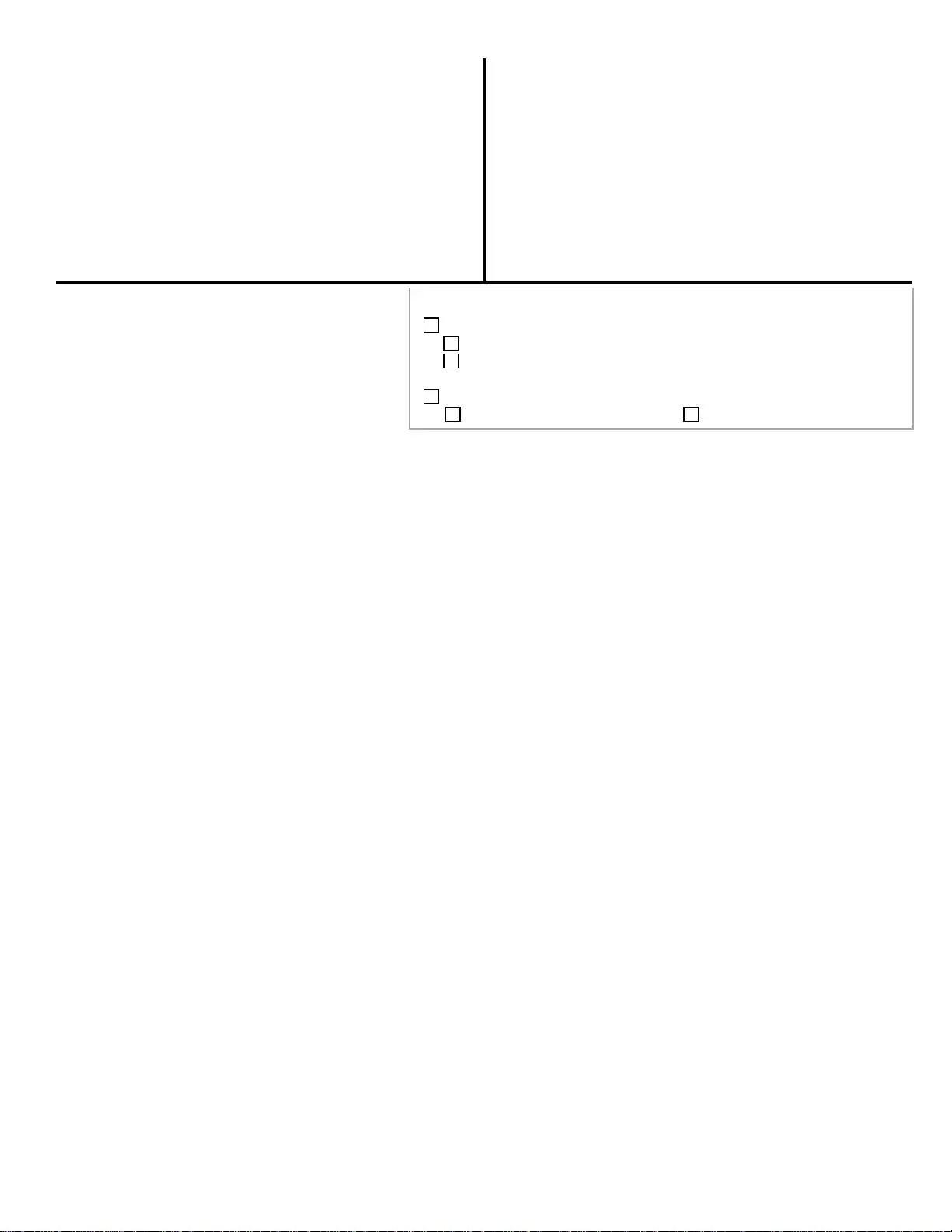
Preview - Mechanics Lien California Form

Recording requested by (name):
____________________________________________
When recorded, mail to (name and address):
____________________________________________
____________________________________________
____________________________________________
____________________________________________
Recorder’s Use Only
CLAIM OF
MECHANICS LIEN
(Cal. Civ. Code § 8416)
Declaration of Exemption From Gov’t Code § 27388.1 Fee
Transfer is exempt from fee per GC § 27388.1(a)(2):
recorded concurrently “in connection with” transfer subject to DTT
recorded concurrently “in connection with” a transfer of
residential dwelling to an owner-occupier
Transfer is exempt from fee per GC 27388.1(a)(1):
Fee cap of $225.00 reached Not related to real property
1. _________________________________________________ (“claimant”) claims a mechanics lien for the labor
or services or equipment or materials described in paragraph 2, furnished for a work of improvement on that certain real
property located in the County of ____________________________, State of California, and more particularly described
as (address and/or sufficient description):______________________________________________________________
_______________________________________________________________________________________________
2. After deducting all just credits and offsets, the sum of _______________________, together with interest at the
rate of ________ per annum from __________________ (date when balance became due), is due claimant for the
following labor, materials, services, or equipment: _______________________________________________________
_______________________________________________________________________________________________
_______________________________________________________________________________________________
3. Claimant furnished the labor or services or equipment or materials, at the request of _____________________
_________________________________________________________________ (employer, person, or entity to whom
labor, materials, services, or equipment were furnished).
4. The name and address of the owner or reputed owner of the real property is/are: _______________________
_______________________________________________________________________________________________
5. Claimant's address is: _______________________________________________________________________
Dated __________________________________
_____________________________________________
Claimant
_____________________________________________
Signature of Claimant or Authorized Agent
_____________________________________________
Print Name and Title
VERIFICATION
I, _______________________________________, am the: __________________________________ (“owner,”
“president,” “authorized agent,” “partner,” etc.) of claimant on the foregoing claim of mechanics lien, and am authorized to
make this verification for and on its behalf. I have read the foregoing claim of mechanics lien and know the contents of the
claim of mechanics lien to be true of my own knowledge.
I declare under penalty of perjury under the laws of the State of California that the foregoing is true and correct.
Dated __________________________________
_____________________________________________
Signature
NOTICE OF MECHANICS LIEN CLAIM
ATTENTION!
Upon the recording of the enclosed MECHANICS LIEN with the county recorder's
office of the county where the property is located, your property is subject to the filing of a
legal action seeking a court-ordered foreclosure sale of the real property on which the lien
has been recorded. That legal action must be filed with the court no later than 90 days after
the date the mechanics lien is recorded.
The party identified in the enclosed mechanics lien may have provided labor or
materials for improvements to your property and may not have been paid for these items.
You are receiving this notice because it is a required step in filing a mechanics lien
foreclosure action against your property. The foreclosure action will seek to pay for unpaid
labor, materials, or improvements provided to your property. This may affect your ability to
borrow against, refinance, or sell the property until the mechanics lien is release.
BECAUSE THE LIEN AFFECTS YOUR PROPERTY, YOU MAY WISH TO SPEAK WITH
YOUR CONTRACTOR IMMEDIATELY, OR CONTACT AN ATTORNEY, OR FOR MORE
INFORMATION ON MECHANICS LIENS GO TO THE CONTRACTORS' STATE LICENSE
BOARD WEB SITE AT www.cslb.ca.gov
.
PROOF OF SERVICE AFFIDAVIT
California Civil Code section 8416
Failure to serve the Mechanic’s Lien and Notice of Mechanic’s Lien on the owner, or alternatively if
the owner cannot be served on the lender or direct contractor, shall cause the Mechanic’s Lien to be
unenforceable as a matter of law (Civil Code Section 8024(d)). Service of the Mechanic’s Lien and Notice of
Mechanic’s Lien must be by (1) registered mail, (2) certified mail, or (3) first-class mail evidenced by a
certificate of mailing, postage prepaid, and to a residence or business address for the owner, lender or
contractor. Further, a Proof of Service Affidavit (below) must be completed and signed by the person serving
the Mechanic’s Lien and Notice of Mechanic’s Lien. This page should be completed (either one of the
sections below) and recorded with the County Recorder along with the Mechanic’s Lien and Notice of
Mechanic’s Lien.
PROOF OF SERVICE AFFIDAVIT (ON OWNER)
California Civil Code section 8416(a)(7) and (c)(1)
I, ______________________________ (name), declare that I served a copy of this Mechanic’s Lien and
Notice of Mechanic’s Lien by registered mail, certified mail, or first-class mail evidenced by a certificate of
mailing, postage prepaid, addressed as follows to the owner(s) or reputed owner(s) of the property:
Company/Person Served: ________________________________________________________________
Title or capacity of person served (if appropriate): ______________________________________________
Service address: ________________________________________________________________________
Said service address is the owner’s residence, place of business, or address showed by the building permit
on file with the permitting authority for the work.
E
xecuted on ___________, 20_____ (date) at __________________ (city), _____________________
(county), California.
B
y: _____________________________________
(Signature of person making service)
ALTERNATE PROOF OF SERVICE AFFIDAVIT (ON LENDER OR DIRECT CONTRACTOR)
California Civil Code Section 8416(a)(7) and (c)(2)
I, ____________________________________________________ (name), declare that the owner or
reputed owner cannot be served with a copy of this Mechanic’s Lien and Notice of Mechanic’s Lien by
registered mail, certified mail, or first-class mail. Pursuant to California civil Code section 8416(c )(2), I
served a copy of this Mechanic’s Lien and Notice of Mechanic’s Lien by registered mail, certified mail, or
first-class mail evidenced by a certificate of mailing, postage prepaid, addressed as follows to the
construction lender or direct contractor as follows:
C
ompany/Person Served: ________________________________________________________________
Title or capacity of person served (if appropriate): ______________________________________________
Service address: ________________________________________________________________________
Executed on ___________, 20_____ (date) at __________________ (city), _____________________
(county), California.
B
y: _____________________________________
(Signature of person making service)

Document Specifics

Fact Name Description
Purpose The Mechanics Lien form allows contractors, subcontractors, and suppliers to secure payment for services or materials provided in construction projects.
Governing Law California Civil Code Sections 8400-8495 govern the mechanics lien process in California.
Eligibility Any party that has provided labor, materials, or equipment for a construction project may file a mechanics lien.
Filing Deadline The lien must be filed within 90 days after the completion of the work or the last delivery of materials.
Notice Requirements Before filing, a preliminary notice must be sent to the property owner within 20 days of starting work to preserve lien rights.
Enforcement If payment is not received, the lien can be enforced through a lawsuit, which must be filed within 6 months of the lien recording.
Impact on Property A mechanics lien creates a legal claim against the property, potentially affecting the owner's ability to sell or refinance.

Mechanics Lien California: Usage Instruction

Filling out the Mechanics Lien form in California is a straightforward process. It requires careful attention to detail to ensure all necessary information is provided. Following these steps will help ensure the form is completed correctly.

  1. Begin by downloading the Mechanics Lien form from the California state website or obtaining a physical copy.
  2. In the top section, fill in your name, address, and contact information. This information identifies you as the claimant.
  3. Provide the name and address of the property owner. This is the individual or entity responsible for the property where work was performed.
  4. Enter the property address where the work was completed. Ensure this matches the official records.
  5. Include a description of the work performed or materials supplied. Be specific to avoid any confusion.
  6. Indicate the amount owed for the work or materials. This should reflect the total sum that remains unpaid.
  7. Sign and date the form. Your signature confirms the information is accurate and that you are filing the lien.
  8. If required, have the form notarized. Some jurisdictions may require a notary public's signature.
  9. Make copies of the completed form for your records and for filing purposes.
  10. File the completed form with the appropriate county recorder’s office. This may involve paying a filing fee.

Learn More on Mechanics Lien California

What is a Mechanics Lien in California?

A Mechanics Lien is a legal claim against a property that ensures payment for labor, materials, or services provided during construction or renovation. This claim allows contractors, subcontractors, and suppliers to secure their right to payment if they have not been compensated for their work.

Who can file a Mechanics Lien in California?

In California, various parties can file a Mechanics Lien, including:

  • General contractors
  • Subcontractors
  • Material suppliers
  • Laborers

Essentially, anyone who has provided labor or materials for a construction project and has not been paid may have the right to file a lien.

What is the process for filing a Mechanics Lien?

The process for filing a Mechanics Lien involves several steps:

  1. Determine eligibility: Ensure that you have the right to file a lien based on your role in the project.
  2. Prepare the lien: Complete the Mechanics Lien form, including details such as the property owner, the amount owed, and a description of the work performed.
  3. File the lien: Submit the completed form to the county recorder's office in the county where the property is located.
  4. Serve notice: Provide a copy of the filed lien to the property owner and any other relevant parties.

What is the deadline for filing a Mechanics Lien?

In California, the deadline for filing a Mechanics Lien is typically 90 days from the completion of the work. For residential projects, this period begins when the work is substantially completed. For commercial projects, the timeline may vary, so it is important to be aware of specific circumstances related to the project.

What happens after a Mechanics Lien is filed?

Once a Mechanics Lien is filed, it becomes a public record. This can affect the property owner's ability to sell or refinance the property. The property owner may choose to resolve the lien by paying the outstanding amount. If the lien remains unresolved, the lien claimant may initiate legal proceedings to enforce the lien, which could lead to a forced sale of the property.

Can a Mechanics Lien be removed?

Yes, a Mechanics Lien can be removed in several ways:

  • Payment: The lien can be removed once the property owner pays the amount owed.
  • Bond: The property owner may file a bond to remove the lien temporarily while disputing the claim.
  • Legal action: If the lien claimant does not pursue the claim within a specific timeframe, the lien can be vacated through court action.

What are the consequences of not filing a Mechanics Lien?

If a party eligible to file a Mechanics Lien does not do so, they may lose their right to collect payment for their services. Without a lien, there may be limited options for recovering unpaid debts, and the party may have to resort to costly legal action to pursue payment.

While it is possible to file a Mechanics Lien without legal assistance, it is often beneficial to consult with a legal professional. They can provide guidance on the process, help ensure that all necessary information is included, and assist in navigating any disputes that may arise.

Common mistakes

When filling out the Mechanics Lien form in California, individuals often encounter various pitfalls that can lead to complications or even the rejection of their claim. One common mistake is failing to provide accurate property descriptions. The form requires a precise address and legal description of the property in question. Omitting or misidentifying this information can render the lien ineffective.

Another frequent error involves incomplete or incorrect information about the parties involved. This includes the name of the property owner, the claimant, and any other relevant parties. If names are misspelled or omitted, it can create confusion and jeopardize the enforceability of the lien.

Many people neglect to include the date the work was completed or materials were supplied. This date is crucial as it establishes the timeline for the lien and can affect the filing deadline. If this date is missing, the lien may not be valid.

Additionally, some individuals forget to sign the form. A Mechanics Lien must be signed by the claimant or an authorized representative. Without a signature, the document is not legally binding, which can lead to significant setbacks in the claim process.

Filing the lien with the wrong county recorder’s office is another common mistake. It is essential to file the lien in the county where the property is located. Filing in the wrong jurisdiction can lead to delays and complications in asserting the lien.

Another issue arises when claimants do not provide sufficient details about the work performed or materials supplied. The form should clearly outline the nature of the services or materials provided. Vague descriptions can weaken the claim and make it harder to enforce.

Some individuals overlook the deadline for filing a Mechanics Lien. In California, there are strict time limits that must be adhered to, typically within 90 days of the completion of work. Missing this deadline can result in the loss of the right to file the lien altogether.

People often forget to include the correct lien amount. This figure should accurately reflect the total amount owed for the services rendered or materials supplied. An incorrect amount can lead to disputes and may affect the claim’s validity.

In addition, some claimants do not provide a notice of the lien to the property owner. California law requires that property owners be notified when a lien is filed against their property. Failing to do so can complicate the enforcement of the lien.

Lastly, many individuals do not keep copies of the filed Mechanics Lien form. It is important to retain a copy for personal records and potential future disputes. Without documentation, it can be challenging to prove the existence and details of the lien.

Documents used along the form

When filing a Mechanics Lien in California, several additional forms and documents may be necessary to support the claim. Each of these documents serves a specific purpose in the process, ensuring that all parties are informed and that the lien is properly recorded. Below are five commonly used forms and documents that often accompany the Mechanics Lien California form.

  • Preliminary Notice: This document informs property owners and general contractors of the subcontractor or supplier’s involvement in the project. It is typically sent at the beginning of the project and is crucial for preserving lien rights.
  • Claim of Lien: This is the actual document that establishes the lien against the property. It details the amount owed, the work performed, and the property in question. Filing this document is essential for enforcing the lien.
  • Notice of Completion: This form is filed by the property owner once the construction project is completed. It serves as a public notice that can affect the timeline for filing a lien and may also limit the time subcontractors have to file their claims.
  • Release of Lien: Once payment is received, this document is filed to remove the lien from the property records. It provides proof that the debt has been settled and the lien is no longer valid.
  • Proof of Service: This document verifies that all required parties received copies of the lien and any related notices. It is important for establishing that the proper procedures were followed in notifying involved parties.

Understanding these documents can help ensure a smoother process when filing a Mechanics Lien in California. Each form plays a vital role in protecting the rights of those who have contributed to a construction project and ensuring compliance with state laws.

Similar forms

The Mechanics Lien California form shares similarities with the Notice of Intent to Lien. Both documents serve as preliminary notices in the construction process. The Notice of Intent to Lien informs property owners that a contractor or subcontractor intends to file a lien if payment is not received. This proactive step helps to communicate potential issues before they escalate, allowing for resolution without resorting to legal action. Like the Mechanics Lien, it is a tool to protect the rights of those who have contributed to a construction project.

Another document akin to the Mechanics Lien is the Preliminary Notice. This notice is often required in California before filing a lien. It alerts property owners and general contractors that a subcontractor or supplier is involved in the project. By sending a Preliminary Notice, parties can assert their right to payment and establish a clear line of communication. Both documents emphasize the importance of notifying relevant parties about financial interests in a construction project.

The Claim of Lien is closely related to the Mechanics Lien as it is essentially the formalized version of the lien itself. After a contractor has submitted a Mechanics Lien, they may choose to file a Claim of Lien with the county recorder’s office. This document officially claims the right to payment and can be enforced through legal proceedings if necessary. Both documents aim to secure payment for services rendered, but the Claim of Lien is the next step in the process.

Another similar document is the Release of Lien. Once a payment has been made, a contractor may file this document to remove the lien from the property. The Release of Lien serves to clear the title and reassure property owners that they no longer have any outstanding claims against their property. While the Mechanics Lien asserts a right to payment, the Release of Lien confirms that the obligation has been fulfilled, showcasing the cycle of financial transactions in construction.

The Waiver of Lien is also comparable to the Mechanics Lien. This document is often signed by contractors or subcontractors when they receive payment. By signing a Waiver of Lien, they relinquish their right to file a lien for the amount paid. This document can provide peace of mind to property owners, as it indicates that the contractor has been compensated for their work. Both documents address payment issues but from different perspectives—one asserts a right, while the other waives it.

Lastly, the Subordination Agreement is relevant in this context. This document can change the priority of liens on a property. For example, if a lender requires a Subordination Agreement, it may allow their lien to take precedence over existing mechanics liens. This can affect the ability of lienholders to collect payment if the property is sold. While the Mechanics Lien secures a contractor's right to payment, the Subordination Agreement can alter the landscape of financial claims against a property.

Dos and Don'ts

When filling out the Mechanics Lien California form, it is important to follow certain guidelines to ensure accuracy and compliance. Below is a list of things to do and avoid.

Things You Should Do:

  • Read the instructions carefully before starting.
  • Provide accurate and complete information.
  • Include the correct legal description of the property.
  • Sign and date the form where required.
  • Keep a copy of the completed form for your records.

Things You Shouldn't Do:

  • Do not leave any sections blank unless instructed.
  • Do not use incorrect or outdated forms.
  • Do not forget to file the form within the required time frame.
  • Do not include personal opinions or irrelevant information.
  • Do not submit the form without verifying all details.

Misconceptions

Understanding the Mechanics Lien in California can be challenging. Here are eight common misconceptions that people often have about this important legal document:

  1. Anyone can file a Mechanics Lien. Many believe that anyone involved in a construction project can file a lien. In reality, only certain parties, such as contractors, subcontractors, and suppliers, have the right to file.
  2. A Mechanics Lien guarantees payment. Some think that filing a lien ensures they will be paid. While it does provide a legal claim to the property, it does not guarantee payment without further action.
  3. Filing a Mechanics Lien is a quick process. Many assume that the process is simple and fast. In truth, it requires careful documentation and adherence to strict timelines.
  4. A Mechanics Lien can be filed anytime. Some believe there are no deadlines for filing. However, California law imposes specific time limits based on the type of work performed.
  5. Once filed, a Mechanics Lien is permanent. It is a common misconception that a lien remains forever. In fact, liens can be released or canceled under certain conditions.
  6. All property types are subject to a Mechanics Lien. Some think that any property can be liened. However, certain properties, like government-owned land, may be exempt.
  7. You don't need to notify the property owner. Many believe they can file a lien without notifying the property owner. In California, it is required to send a preliminary notice to the owner before filing.
  8. A Mechanics Lien can be filed without legal assistance. While it is possible to file without a lawyer, many find that consulting with a legal expert can help navigate the complexities of the process.

Being informed about these misconceptions can help ensure that you approach the Mechanics Lien process with the right expectations and understanding.

Key takeaways

Filing a Mechanics Lien in California is a crucial step for contractors, subcontractors, and suppliers seeking payment for work performed or materials supplied. Here are some key takeaways to consider when filling out and using the Mechanics Lien form:

  • Understand Eligibility: Only those who have provided labor, materials, or services to improve a property can file a lien.
  • Timely Filing: The lien must be filed within 90 days after the completion of work or delivery of materials.
  • Correct Information: Ensure that all property owner and contractor details are accurate to avoid delays or rejections.
  • Legal Description: Include a precise legal description of the property, which can usually be found in the property deed.
  • Notice Requirements: A preliminary notice may be required before filing the lien, depending on your role in the project.
  • Filing Location: The lien must be filed with the county recorder’s office in the county where the property is located.
  • Fees: Be prepared to pay a filing fee, which varies by county.
  • Serving the Lien: After filing, serve a copy of the lien to the property owner and other relevant parties.
  • Enforcement: If payment is not received, the lien can be enforced through a lawsuit, typically within 90 days of filing.
  • Consult Legal Advice: Consider seeking legal counsel to ensure compliance with all requirements and to navigate any disputes.

These takeaways can help streamline the process and ensure that you protect your rights effectively when filing a Mechanics Lien in California.