
Go Law
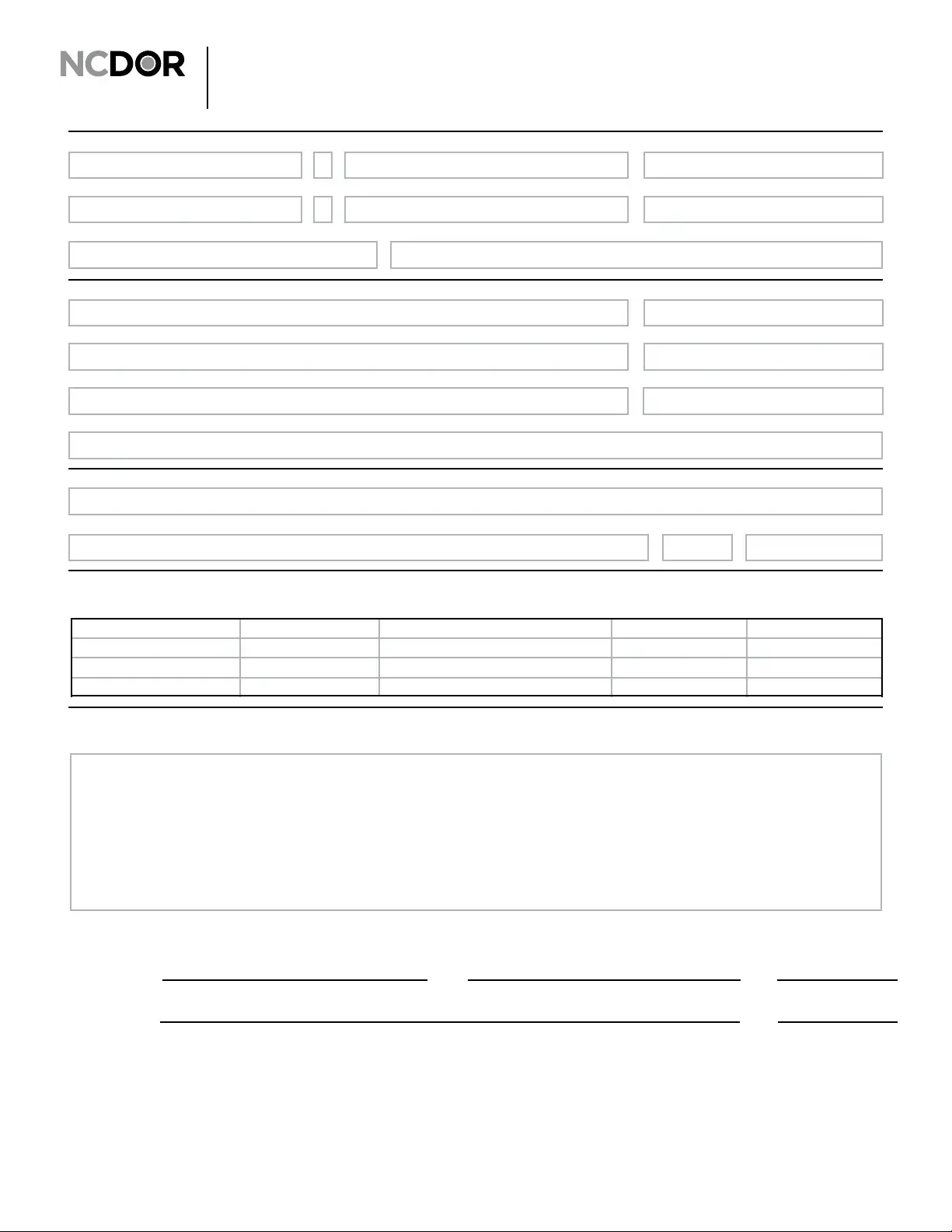
The NC 242 form serves as a crucial tool for taxpayers in North Carolina who wish to formally contest a proposed assessment, denial of refund, or adjustment made by the Department of Revenue. This form allows individuals and entities to articulate their objections clearly and request a departmental review of the contested notice. Key information required includes the taxpayer's name, Social Security number, and contact details, as well as the specifics of the objection, such as the notice number and the tax type involved. It is essential to attach any relevant documentation, including a copy of the notice being challenged, to support the request. The form also requires the signatures of both the taxpayer and, if applicable, their representative, along with a Power of Attorney when a representative is involved. Timeliness is critical; the request for review must be submitted within 45 days of receiving the notice in question. This process is the first step in the appeals process and is applicable to various state or local taxes administered by the Department of Revenue.

| Fact Name | Description |
|---|---|
| Form Title | NC-242 Objection and Request for Departmental Review |
| Governing Law | North Carolina General Statutes, Chapter 105, Article 9 |
| Purpose | This form is used to formally object to a proposed tax assessment, denial of refund, or adjustment. |
| Filing Deadline | The request for review must be filed within 45 days of the notice being mailed or delivered. |
| Required Attachments | Attach a copy of the notice being disputed and any supporting documentation. |
| Joint Filers | Spousal information is required if a joint tax return was filed. |
| Contact Information | Includes fields for individual and entity contact details, such as phone numbers and addresses. |
| Signature Requirement | Taxpayer and representative signatures are required; a Power of Attorney must accompany the request if signed by a representative. |
| Mailing Address | Submit the completed form to the North Carolina Department of Revenue, Customer Interaction Center, P.O. Box 471, Raleigh, NC 27602-0471. |
Filling out the NC 242 form is an important step in the process of contesting a proposed tax assessment, denial of refund, or adjustment. By following these steps carefully, you can ensure that your request is properly submitted for review.
After submitting the NC 242 form, the Department will review your request and respond accordingly. Make sure to keep copies of everything you send for your records. This will help you track the progress of your appeal and provide necessary information if further action is required.
The NC 242 form, also known as the Objection and Request for Departmental Review, is a crucial document for taxpayers in North Carolina. It is utilized when an individual or entity wishes to formally contest a proposed assessment, denial of a refund, or adjustment made by the North Carolina Department of Revenue. By submitting this form, taxpayers initiate the appeals process, allowing them to present their objections and request a review of the Department's decision.
Completing the NC 242 form requires careful attention to detail. Here are the steps to follow:
After completing the form, mail it to the address provided by the Department of Revenue.
Timeliness is essential when submitting the NC 242 form. You must file your request for review within 45 days of receiving the Notice of Proposed Assessment, Proposed Denial of Refund, or Proposed Adjustment. This deadline applies whether the notice was mailed to you or personally delivered by a Department employee. Missing this deadline could jeopardize your ability to contest the Department's decision.
Once you submit the NC 242 form, the North Carolina Department of Revenue will review your objections and supporting documentation. The Department will evaluate the information provided and may reach out for further clarification or additional information if necessary. After their review, they will issue a decision regarding your objection. If you disagree with their findings, you may have further options to appeal, but it is crucial to follow the proper procedures outlined by the Department.
Filling out the NC 242 form can be a straightforward process, but many people make common mistakes that can delay their request for a departmental review. Understanding these pitfalls can help ensure that your submission is complete and accurate.
One frequent mistake is not providing complete personal information. It's essential to fill in all required fields, including your full name, Social Security number, and contact information. Omitting even one detail can lead to processing delays. Always double-check that the information is accurate and up-to-date.
Another common error involves neglecting to attach supporting documentation. When submitting your objection, it is crucial to include copies of the notices you are disputing. Without these documents, the Department may not have enough information to process your request, which could result in a rejection of your appeal.
People also often misinterpret the reason for objection section. This part of the form requires a clear and detailed explanation of your specific objections. Providing vague or general statements may lead to confusion and could weaken your case. Take the time to articulate your concerns clearly and concisely.
Additionally, many individuals forget to sign the form. A missing signature can halt the review process. Ensure that both you and your representative, if applicable, have signed and dated the form before submission. This small step is critical in validating your request.
Another common oversight is missing the deadline for filing the request. The NC 242 form must be submitted within 45 days of receiving the notice. Mark your calendar and keep track of the date to avoid any last-minute rush that could lead to mistakes.
Lastly, some people mistakenly believe that the NC 242 form can be submitted electronically. Currently, the form must be mailed in. This misunderstanding can lead to unnecessary delays. Always check the submission guidelines to ensure you are following the correct procedure.
By being aware of these common mistakes, you can enhance the likelihood of a smooth review process. Take your time, be thorough, and don't hesitate to seek assistance if needed. A well-prepared submission can make all the difference in achieving a favorable outcome.
The NC 242 form is a crucial document for individuals or entities seeking a departmental review of a proposed tax assessment, denial of refund, or adjustment. Along with this form, several other documents may be necessary to ensure a comprehensive review process. Below is a list of commonly used forms and documents that may accompany the NC 242 form.
Including these documents with the NC 242 form can facilitate a smoother review process and help ensure that all relevant information is considered by the Department of Revenue. It is essential to gather all necessary paperwork to support the objections effectively.
The NC 242 form serves as a formal objection and request for departmental review in response to a proposed tax assessment or adjustment. A similar document is the IRS Form 843, which is used to claim a refund or request an abatement of certain taxes. Like the NC 242, Form 843 requires detailed information about the taxpayer and the specific reasons for the request. Both forms necessitate supporting documentation to substantiate the claims made, ensuring that the reviewing body has adequate information to make an informed decision.
Another comparable document is the IRS Form 911, known as Request for Taxpayer Advocate Service Assistance. This form is utilized when a taxpayer faces difficulties in resolving issues with the IRS. Similar to the NC 242, it requires the taxpayer to explain the nature of their problem and the desired resolution. Both forms aim to facilitate communication between the taxpayer and the respective tax authority, ensuring that concerns are addressed appropriately.
The NC 242 form is also akin to the IRS Form 2848, Power of Attorney and Declaration of Representative. This form allows taxpayers to authorize someone else to act on their behalf in tax matters. While the NC 242 focuses on objections and reviews, it also requires a Power of Attorney if a representative signs the form. This connection emphasizes the importance of representation in navigating tax disputes.
In addition, the NC 242 resembles the IRS Form 8821, Tax Information Authorization. This document permits a third party to receive and inspect a taxpayer’s confidential information. Both forms serve to empower representatives while ensuring that the tax authorities have the necessary information to process requests effectively. They both require clear identification of the taxpayer and the representative involved.
Another document that shares similarities with the NC 242 is the North Carolina Form D-400, Individual Income Tax Return. While the D-400 is primarily for filing income taxes, it includes sections where taxpayers can dispute or clarify specific items related to their tax return. Both forms require taxpayers to provide personal and financial information, fostering transparency in tax matters.
The NC 242 form is also comparable to the IRS Form 8862, Information to Claim Certain Refundable Credits After Disallowance. This form is used to reclaim credits that were previously denied. Like the NC 242, it requires detailed explanations and supporting documentation to justify the claim. Both forms serve as a means for taxpayers to rectify previous tax-related issues.
Additionally, the NC 242 is similar to the IRS Form 1040X, Amended U.S. Individual Income Tax Return. This form allows taxpayers to correct errors on their original tax return. Both the NC 242 and Form 1040X require taxpayers to provide a clear rationale for their objections or amendments, along with supporting documentation. They are essential tools for ensuring that taxpayers can amend their records accurately.
Another related document is the North Carolina Form NC-4, Employee’s Withholding Allowance Certificate. While primarily used for withholding purposes, it can also be a point of contention if a taxpayer believes their withholding is incorrect. Both forms allow taxpayers to express concerns regarding their tax situation, emphasizing the importance of accurate tax reporting.
The NC 242 also has similarities with the IRS Form 1099, which reports various types of income. While not a direct objection form, discrepancies in 1099 reporting can lead to disputes requiring a formal objection, similar to the purpose of the NC 242. Both documents highlight the importance of accurate reporting and the potential for review when discrepancies arise.
Finally, the NC 242 can be likened to the North Carolina Form NC-3, Annual Withholding Reconciliation. This form summarizes the withholding amounts for employees and may lead to disputes if the figures do not align with taxpayer expectations. Both forms involve a review process, allowing taxpayers to address discrepancies in their tax records.
When filling out the NC 242 form, it is important to follow specific guidelines to ensure the process goes smoothly. Below are eight things you should and shouldn’t do:
Understanding the NC 242 form is crucial for anyone navigating the tax appeal process in North Carolina. However, several misconceptions can cloud this important task. Here are four common misunderstandings:
Many people believe that this form is exclusively for individual taxpayers. In reality, the NC 242 can be used by both individuals and entities. Whether you’re filing as a person or a business, this form serves the same purpose of requesting a departmental review.
Some taxpayers think they can simply fill out the form and send it in. However, it's essential to attach all relevant documentation. This includes copies of any notices you are contesting. Providing this information strengthens your case and helps the Department of Revenue understand your objections.
It’s a common belief that you can take your time with this form. In fact, you must submit it within 45 days of receiving the notice you’re contesting. Missing this deadline could jeopardize your ability to appeal, so it’s important to act promptly.
Some individuals assume that if a representative signs the NC 242 form, they don’t need any additional documentation. This is not the case. A Power of Attorney must accompany the form if a representative is signing on behalf of the taxpayer. This ensures that the representative has the authority to act in the taxpayer's stead.
By clearing up these misconceptions, taxpayers can better navigate the appeals process and ensure their rights are protected. Taking the time to understand the NC 242 form can lead to a more favorable outcome in your tax matters.
When filling out and using the NC 242 form, consider the following key takeaways: